As an Amazon Associate, we earn from qualifying purchases. Some links on this site are affiliate links at no extra cost to you. Our recommendations are based on thorough research and editorial judgment.

10 Best Audio Interface Guitar Setups for Crystal Clear Sound

You want an audio interface that captures every nuance of your guitar with crystal-clear sound and low latency. Top picks like the M-AUDIO M-Track Solo and Focusrite Scarlett Solo offer high-resolution 24-bit/192kHz recording, zero-latency monitoring, and useful software bundles. Portable options like the IK Multimedia iRig and Guitar Audio Interface Pocket make on-the-go setups easy. Consider inputs, compatibility, and monitoring features to match your style and gear. Exploring these will sharpen your recording game instantly.
Key Takeaways
- Choose interfaces with at least 24-bit/48kHz resolution for detailed, high-quality guitar tone capture.
- Prioritize zero-latency or direct monitoring features to ensure real-time sound feedback while recording.
- Select interfaces with combo XLR and instrument inputs plus phantom power for versatile microphone and guitar connections.
- Opt for portable, driver-free devices compatible with Macs, PCs, and mobile devices for flexible recording setups.
- Consider bundled software and DAW compatibility to streamline recording and production workflows.
| M-AUDIO M-Track Solo USB Audio Interface | 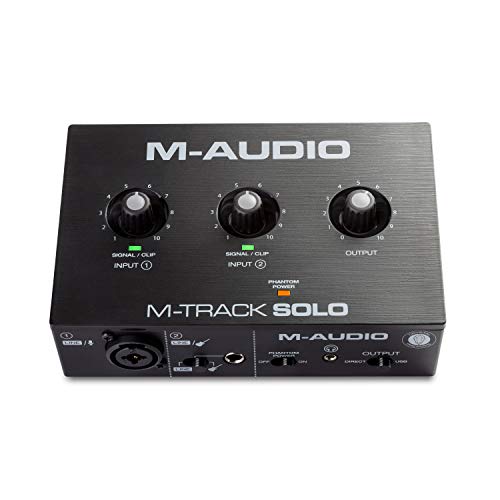 | Best Beginner Interface | Audio Resolution: 48 kHz | Input Types: Combo XLR/Line input, 1/4” instrument input | Monitoring Capability: USB/Direct switch for zero latency monitoring, headphone output | VIEW LATEST PRICE | Read Our Analysis |
| Focusrite Scarlett Solo 3rd Gen Audio Interface | 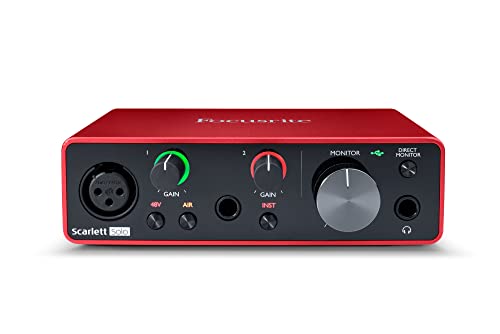 | Pro Sound Quality | Audio Resolution: Up to 24-bit/192 kHz | Input Types: Mic input, instrument input (2 inputs) | Monitoring Capability: Headphone jack for private high-fidelity monitoring | VIEW LATEST PRICE | Read Our Analysis |
| IK Multimedia iRig USB Guitar Audio Interface |  | Ultimate Portability | Audio Resolution: 24-bit/48 kHz | Input Types: USB-C input for guitar | Monitoring Capability: Headphone output with direct monitoring (FX/THRU options) | VIEW LATEST PRICE | Read Our Analysis |
| Guitar Audio Interface Pocket Recording Sound Card | 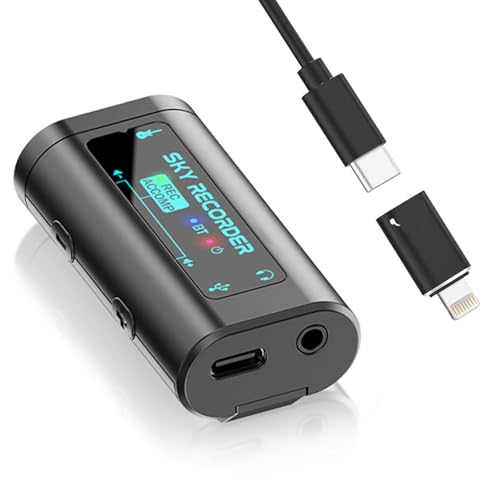 | Mobile Streaming Essential | Audio Resolution: 24-bit/48 kHz | Input Types: 1/4” jack (electric guitar) | Monitoring Capability: Volume control, indicator light for monitoring levels | VIEW LATEST PRICE | Read Our Analysis |
| Pocket Guitar Audio Interface with Type-C & Lightning |  | Compact Live Streaming | Audio Resolution: 24-bit/48 kHz | Input Types: 1/4” jack (guitar/bass) | Monitoring Capability: Volume control, monitor volume indicator light | VIEW LATEST PRICE | Read Our Analysis |
| M-AUDIO M-Track Duo USB Audio Interface | 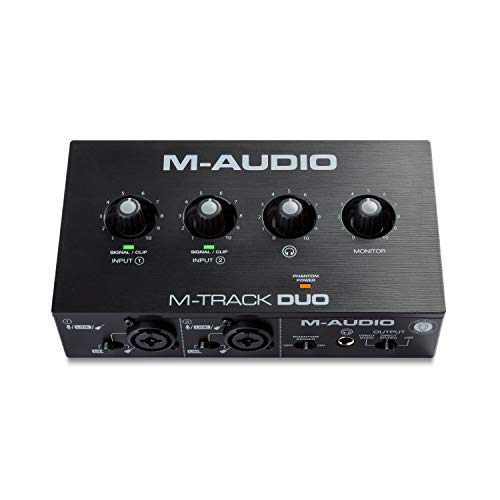 | Dual Input Versatility | Audio Resolution: 48 kHz | Input Types: Two combo XLR/Line/Instrument inputs | Monitoring Capability: USB/Direct switch for zero latency monitoring, headphone output | VIEW LATEST PRICE | Read Our Analysis |
| USB Audio Interface for PC Recording Q-12 | 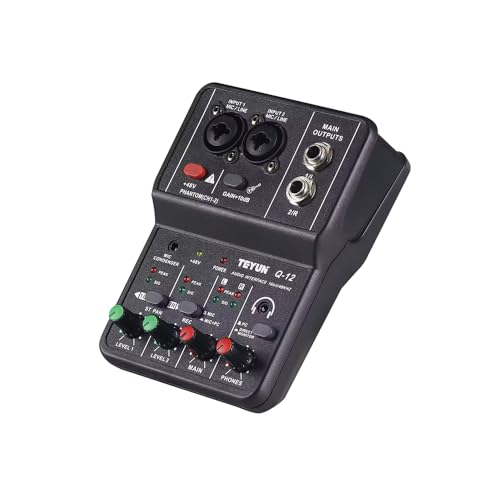 | Budget Studio Starter | Audio Resolution: 16-bit/48 kHz | Input Types: XLR mic input, 3.5 mm mic jack, instrument input | Monitoring Capability: Independent volume control, gain halo meter, headphone output | VIEW LATEST PRICE | Read Our Analysis |
| XTUGA USB Audio Interface for PC Recording |  | Versatile PC Interface | Audio Resolution: 16-bit/48 kHz | Input Types: XLR mic input, 3.5 mm mic jack, instrument input | Monitoring Capability: Independent volume control, gain halo meter, headphone output | VIEW LATEST PRICE | Read Our Analysis |
| USB C 24bit/192kHz Guitar Audio Interface | 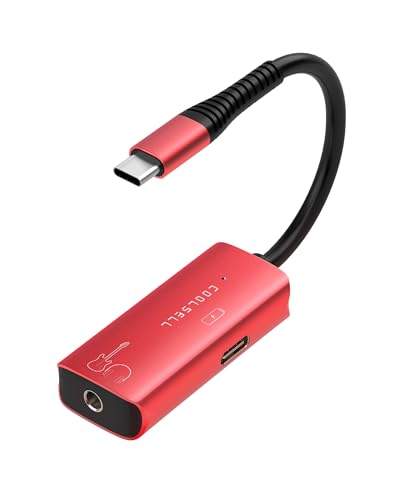 | High-Resolution Pocket Interface | Audio Resolution: 24-bit/192 kHz | Input Types: 1/4” jack for guitar/bass | Monitoring Capability: Zero latency real-time headphone monitoring | VIEW LATEST PRICE | Read Our Analysis |
| EBXYA 2×2 USB Audio Interface (Metallic Red) | 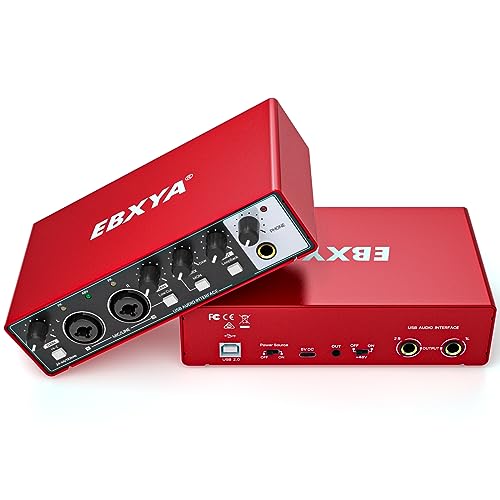 | Premium Studio Solution | Audio Resolution: 24-bit/192 kHz | Input Types: 2 XLR/Line combo inputs with Hi-Z | Monitoring Capability: Ultra-low latency monitoring, stereo headphone output with level control | VIEW LATEST PRICE | Read Our Analysis |
You may be interested


More Details on Our Top Picks
M-AUDIO M-Track Solo USB Audio Interface
If you’re looking for an audio interface that balances simplicity and high-quality sound, the M-AUDIO M-Track Solo USB Audio Interface is a great choice for guitarists just starting out or anyone who needs a straightforward setup. It features one combo XLR/Line input with phantom power and a 1/4″ instrument input, letting you plug in your guitar or mic easily. You can monitor your sound with zero latency using the USB/Direct switch, thanks to its transparent Crystal Preamp. Plus, it works seamlessly with Mac and PC, offering 48 kHz audio resolution for crisp, clear recordings every time.
- Audio Resolution:48 kHz
- Input Types:Combo XLR/Line input, 1/4” instrument input
- Monitoring Capability:USB/Direct switch for zero latency monitoring, headphone output
- Compatibility (Devices/OS):Mac, PC, smartphone, tablet, guitar, keyboard
- Connectivity Type:USB Type B, RCA outputs, 1/4” TRS headphone output
- Phantom Power Support:Yes, phantom power on XLR input
- Additional Feature:Crystal transparent preamp
- Additional Feature:MPC Beats software included
- Additional Feature:USB/Direct zero-latency switch
Focusrite Scarlett Solo 3rd Gen Audio Interface
The Focusrite Scarlett Solo 3rd Gen Audio Interface stands out as an excellent choice for guitarists and vocalists who want studio-quality recordings without complicated setups. It offers high-performing mic preamps with switchable Air mode, boosting the clarity of your acoustic guitar or voice. You can record at up to 24-bit/192kHz, ensuring detailed, professional sound. With two high-headroom instrument inputs, plugging in guitars or basses is hassle-free, minimizing distortion. Balanced outputs and a headphone jack let you monitor with precision. Plus, bundled software like Pro Tools Intro+ helps you jump straight into music production. It’s reliable and versatile, perfect for your setup.
- Audio Resolution:Up to 24-bit/192 kHz
- Input Types:Mic input, instrument input (2 inputs)
- Monitoring Capability:Headphone jack for private high-fidelity monitoring
- Compatibility (Devices/OS):Mac, PC, microphones, instruments, studio monitors
- Connectivity Type:USB (likely Type B), balanced outputs, headphone jack
- Phantom Power Support:Yes, supports condenser mics with phantom power
- Additional Feature:Switchable Air mode
- Additional Feature:Three-year manufacturer warranty
- Additional Feature:Extensive included software bundle
IK Multimedia iRig USB Guitar Audio Interface
Musicians looking for a versatile and high-quality audio interface will find the IK Multimedia iRig USB Guitar Audio Interface an excellent choice. It delivers studio-grade, 24-bit/48 kHz audio, capturing every nuance of your playing with clarity. Thanks to its USB-C connectivity, you can easily plug into your Mac, PC, iPad, or even the new iPhone 15. The iRig includes a headphone output for zero-latency monitoring and lets you switch between FX-processed and direct signals, perfect for integrating amps and pedals. Its compact, durable design and bundled AmpliTube software make it ideal for recording and performing anywhere.
- Audio Resolution:24-bit/48 kHz
- Input Types:USB-C input for guitar
- Monitoring Capability:Headphone output with direct monitoring (FX/THRU options)
- Compatibility (Devices/OS):Mac, PC, iPad, iPhone 15, guitar accessories
- Connectivity Type:USB-C
- Phantom Power Support:No explicit phantom power mentioned
- Additional Feature:FX or THRU monitoring
- Additional Feature:AmpliTube amp modeling apps
- Additional Feature:USB-C cable included
Guitar Audio Interface Pocket Recording Sound Card
An essential choice for guitarists who want simple, high-quality recording on the go is this Guitar Audio Interface Pocket Recording Sound Card. Its portable design connects easily to iPhones, iPads, Android phones, PCs, and laptops using Type-C or Lightning ports. You won’t need drivers—just plug it in and start recording. The interface captures sound at 24bit/48KHz, delivering clear stereo audio with low latency, perfect for live streaming and quick sessions.
Controls let you adjust monitoring volume, and an indicator light helps avoid distortion. Just enable OTG on Android, and you’re set—no batteries required.
- Audio Resolution:24-bit/48 kHz
- Input Types:1/4” jack (electric guitar)
- Monitoring Capability:Volume control, indicator light for monitoring levels
- Compatibility (Devices/OS):iPhones, iPads, Android phones, PC, laptops
- Connectivity Type:USB-C and Lightning adapter, 1/4” and 1/8” outputs
- Phantom Power Support:No phantom power mentioned
- Additional Feature:Plug-and-play no drivers
- Additional Feature:Volume indicator light
- Additional Feature:No editing/mixing features
Pocket Guitar Audio Interface with Type-C & Lightning
If you’re someone who needs a versatile and portable audio interface for your guitar, this Pocket Guitar Audio Interface with Type-C & Lightning might be just what you’re looking for. It’s designed for live streaming and recording on iPad, iPhone, Android, and PC devices, with plug-and-play ease. You get 24bit/48KHz high-quality sound and low-latency processing, so your audio syncs perfectly with video. The interface supports 1/4-inch guitar input and a 3.5mm headphone output with monitoring volume controls. Its compact design and clip make it ideal for on-the-go recording, letting you capture crystal clear sound anywhere.
- Audio Resolution:24-bit/48 kHz
- Input Types:1/4” jack (guitar/bass)
- Monitoring Capability:Volume control, monitor volume indicator light
- Compatibility (Devices/OS):iPhones, iPads, Android phones, PC, laptops
- Connectivity Type:USB-C and Lightning adapter, 1/4” and 1/8” outputs
- Phantom Power Support:No phantom power mentioned
- Additional Feature:Back clip portability
- Additional Feature:Monitor volume buttons
- Additional Feature:Lightning and Type-C adapters
M-AUDIO M-Track Duo USB Audio Interface
The M-AUDIO M-Track Duo USB Audio Interface stands out as a top pick for guitarists who need a compact, versatile solution for recording and streaming. It offers two combo inputs that handle guitar, mic, and line signals with phantom power, perfect for diverse setups. You get 48 kHz high-quality audio and transparent Crystal Preamps, ensuring your sound is pristine and clear. Monitoring is flexible with zero-latency via the USB/Direct switch and multiple outputs. Plus, the included MPC Beats software and compatibility with programs like Ableton Live Lite make it a powerful tool for both beginners and pros wanting crisp, professional recordings.
- Audio Resolution:48 kHz
- Input Types:Two combo XLR/Line/Instrument inputs
- Monitoring Capability:USB/Direct switch for zero latency monitoring, headphone output
- Compatibility (Devices/OS):Mac, PC, smartphones, tablet, guitar, keyboard
- Connectivity Type:USB Type B, 1/4” TRS headphone output
- Phantom Power Support:Yes, phantom power on combo XLR inputs
- Additional Feature:Two combo XLR/Line inputs
- Additional Feature:Crystal transparent preamps
- Additional Feature:MPC Beats production software
USB Audio Interface for PC Recording Q-12
When you’re looking to capture your guitar or bass with pristine clarity, the USB Audio Interface for PC Recording Q-12 stands out as a top choice for both beginners and pros. This device supports ultra-low latency recording, so your playing feels natural and tight. It features a switchable Line 1/2 output with independent volume controls, giving you flexible mixing options. The included XLR input supports microphones with 48V phantom power, perfect for adding vocals or acoustic instruments. With a high-performance 16-bit/48 kHz converter, it delivers crystal-clear sound. Compatible with top DAWs like Audacity and Pro Tools, it’s a versatile, noise-free solution for PC recording.
- Audio Resolution:16-bit/48 kHz
- Input Types:XLR mic input, 3.5 mm mic jack, instrument input
- Monitoring Capability:Independent volume control, gain halo meter, headphone output
- Compatibility (Devices/OS):PC (compatible recording software)
- Connectivity Type:USB (probably Type B), XLR and 3.5mm jack
- Phantom Power Support:Yes, +48V phantom power
- Additional Feature:Ultra-low latency recording
- Additional Feature:Mono/stereo output switch
- Additional Feature:Independent channel volume control
XTUGA USB Audio Interface for PC Recording
Guitarists and vocalists stepping into home recording will find the XTUGA USB Audio Interface an ideal companion for capturing clear, professional sound. This compact device offers an XLR input with phantom power and a 3.5mm microphone jack, letting you connect various mics easily. Its ultra-low latency plug-and-play design means you can start recording without delay or fuss. The high-performance 16-bit/48kHz converter guarantees studio-quality audio, while individual volume controls and gain halo meters help you maintain perfect levels. Compatible with popular software like Audacity and Ableton Live, the XTUGA enhances your PC setup with versatile, reliable performance.
- Audio Resolution:16-bit/48 kHz
- Input Types:XLR mic input, 3.5 mm mic jack, instrument input
- Monitoring Capability:Independent volume control, gain halo meter, headphone output
- Compatibility (Devices/OS):PC (compatible recording software)
- Connectivity Type:USB (probably Type B), XLR and 3.5mm jack
- Phantom Power Support:Yes, +48V phantom power
- Additional Feature:Gain halo meter
- Additional Feature:+48V phantom power support
- Additional Feature:Front panel 3.5mm mic jack
USB C 24bit/192kHz Guitar Audio Interface
If you want studio-quality sound without lugging around bulky gear, this USB C 24bit/192kHz guitar audio interface is designed just for you. It delivers crystal-clear recordings with 24bit/192kHz resolution, capturing every nuance of your guitar’s tone. You’ll get real-time, zero-latency monitoring through headphones, so your practice and recordings stay precise. This ultra-portable device fits in your pocket and connects easily to guitars, mics, iPhones, iPads, and laptops. With a 3.5mm mic input, you can layer vocals effortlessly. Whether you’re a busker, traveler, or bedroom producer, this interface blends flexibility and high-end sound in a compact, user-friendly package.
- Audio Resolution:24-bit/192 kHz
- Input Types:1/4” jack for guitar/bass
- Monitoring Capability:Zero latency real-time headphone monitoring
- Compatibility (Devices/OS):iPhone, iPad, laptops, amps, guitars, basses, headphones
- Connectivity Type:AUX (includes adapters for 6.5mm and Lightning)
- Phantom Power Support:No phantom power mentioned
- Additional Feature:Studio-grade ADC quality
- Additional Feature:Includes 6.5mm adapter
- Additional Feature:Ultra-portable pocket design
EBXYA 2×2 USB Audio Interface (Metallic Red)
The EBXYA 2×2 USB Audio Interface (Metallic Red) stands out as an excellent choice for musicians and podcasters looking for professional-grade sound in a compact, portable package. You’ll appreciate its 24-bit/192kHz resolution, delivering crystal-clear recordings with ultra-low latency for smooth real-time monitoring. Setup is a breeze, connecting seamlessly to Mac, PC, and mobile devices without complex drivers. The interface offers 2 combo XLR/Line inputs with up to 60dB gain and HI-Z selection, perfect for guitars and microphones. Balanced outputs, a headphone jack, phantom power, and a sleek metallic red design round out this reliable, travel-friendly solution.
- Audio Resolution:24-bit/192 kHz
- Input Types:2 XLR/Line combo inputs with Hi-Z
- Monitoring Capability:Ultra-low latency monitoring, stereo headphone output with level control
- Compatibility (Devices/OS):Mac, PC, mobile devices
- Connectivity Type:USB (likely Type B)
- Phantom Power Support:Yes, supports 48V phantom power
- Additional Feature:HI-Z high-impedance input
- Additional Feature:Independent headphone level control
- Additional Feature:Comes with audio adapters
Factors to Consider When Choosing Audio Interface Guitar
When choosing an audio interface for your guitar, you’ll want to focus on input and output options to match your setup, plus the audio quality and resolution to capture every note clearly. Pay close attention to latency and monitoring features so you can play without distracting delays. Don’t forget to check compatibility with your devices and the software or plugins that come with the interface to get the most out of your gear.
Input and Output Options
Because your audio interface‘s inputs and outputs shape how you connect and control your guitar recordings, understanding their options is essential. Start by considering the number and types of inputs you need—XLR for microphones, instrument inputs for guitars, or line inputs for other devices. Look for phantom power if you plan to use condenser mics. On the output side, check for balanced TRS or unbalanced RCA jacks, plus headphone outputs for monitoring. Zero-latency or direct monitoring helps you hear your guitar in real time without delay, which is vital when recording. Don’t forget to see if the interface offers separate volume controls for each output; this lets you adjust levels precisely and blend sounds easily. Choosing the right setup here sets the foundation for clear, reliable recordings every time.
Audio Quality and Resolution
Audio quality and resolution play an essential role in capturing your guitar’s true sound, so choosing an interface with the right specs can make all the difference. Focus on bit depth and sampling rate—aim for at least 24-bit and 48 kHz to get clear, detailed recordings. Higher bit depth improves dynamic range, letting you hear every subtle nuance in your playing. A higher sampling rate, up to 192 kHz, captures frequencies beyond what we normally hear, making your recordings sound more natural. Advanced audio converters also matter; they keep the sound accurate during recording and playback. When you pick an interface with these qualities, you guarantee your guitar’s tone is represented honestly and crisply, whether you’re tracking at home or in a professional studio.
Latency and Monitoring Features
Latency plays an essential role in how you experience your guitar’s sound while recording or performing. It’s the delay between playing a note and hearing it through your audio interface. Keeping latency under 10 milliseconds is vital for smooth, real-time interaction with your instrument. Many interfaces feature a USB/Direct monitoring switch that lets you listen to your input instantly without any delay, known as zero-latency monitoring. This feature helps you stay in the groove while tracking. Also, look for headphone outputs with volume control. They allow you to adjust your monitoring level quickly and comfortably, enhancing your focus and precision. Choosing an interface with low latency and effective monitoring options guarantees a seamless recording experience and helps capture your best performances without distractions.
Compatibility With Devices
When choosing the right interface for your guitar setup, you’ll want to make certain it plays nicely with the devices you already use. Start by confirming the interface supports your main gear—whether that’s a computer, smartphone, or tablet. It should work smoothly with popular operating systems like Windows and macOS. Check the USB connection type too: USB-A or USB-C options matter because you want to avoid extra adapters that add clutter. Also, consider handy features such as headphone outputs and monitor controls, which improve your workflow on different devices. Finally, make certain the interface fits your preferred music production tools, so you can jump right into recording without compatibility headaches. This careful match guarantees your setup will deliver clear, reliable sound every time.
Software and Plugin Support
How do you make certain your guitar interface keeps up with your creative flow? Start by choosing one that comes with robust software and plugin support. Many interfaces bundle essential tools, letting you plunge into recording right away. You’ll want compatibility with popular DAWs like Pro Tools, Ableton Live, or FL Studio to guarantee smooth integration during tracking and mixing. Some even include extra plugins and virtual instruments to expand your sonic palette without extra costs. Keep in mind that software offerings vary—some provide basic recording tools, while others deliver advanced effects and production features. Finally, check for regular driver updates and a strong user community. These elements boost reliability and help your setup evolve alongside your music journey.
Portability and Build Quality
Portability and build quality play a key role in choosing the right audio interface for your guitar setup. When you’re often on the move, a compact, lightweight design makes transporting your gear much easier. You’ll want a rugged build that can handle frequent travel and daily use without breaking down. Look for interfaces with strong connectors and durable cables—they’ll resist wear and tear and last longer in tough environments. Features like back clips or protective cases are a bonus if you need quick setups and easy mobility. Also, choose an interface that’s plug-and-play. This means you can connect and start playing immediately, without dealing with complicated installations. Prioritizing portability and solid construction guarantees your setup stays reliable wherever you go.
Price and Warranty Coverage
Price and warranty coverage are two essential factors to weigh when choosing the right audio interface for your guitar setup. Prices can vary widely, typically from $50 to over $300, influenced by features, audio quality, and brand reputation. While budget models might save money upfront, they often lack advanced features or high-resolution audio support. On the other hand, higher-priced interfaces usually offer better preamps and improved bit rates, enhancing your sound clarity.
Warranty coverage is equally important. Most interfaces carry a one- to three-year warranty, protecting you against manufacturing defects. Look carefully at warranty terms—some brands even offer extended support and repair options, which can save you money if something goes wrong. Plus, reputable brands tend to retain better resale value, making them smarter long-term investments.
Frequently Asked Questions
How Do I Connect Multiple Guitars to One Audio Interface?
To connect multiple guitars, you’ll need an audio interface with multiple inputs or use a mixer before the interface. Plug each guitar into separate inputs for clear, independent signals. If your interface has only one input, consider using an AB switch or a patch bay, but you’ll record one guitar at a time. Always check your interface’s input specs and adjust gain levels to prevent clipping and guarantee clean sound from each guitar.
Can Audio Interfaces Reduce Latency During Live Performances?
Yes, audio interfaces can reduce latency during live performances by processing audio signals quickly and efficiently. You’ll want an interface with low buffer size settings and a fast USB or Thunderbolt connection to minimize delay. Also, using direct monitoring features lets you hear your guitar’s signal in real-time without processing lag. Choosing an interface optimized for low-latency performance guarantees your live sound stays tight and responsive.
What Software Pairs Best With These Audio Interfaces?
The best software to pair with your audio interface includes popular DAWs like Ableton Live, Logic Pro, and Pro Tools. These programs offer robust drivers and low-latency monitoring that complement your hardware perfectly. For guitarists, software like AmpliTube and Guitar Rig provide realistic amp simulations and effects. You want software that balances powerful features with ease of use, ensuring your recordings sound crisp while keeping your workflow smooth and fun.
Are These Audio Interfaces Compatible With Mobile Devices?
Yes, many audio interfaces work with mobile devices, but you’ll need to check compatibility first. Interfaces with USB-C or Lightning connectors often pair smoothly with smartphones or tablets. You might need an adapter like a USB OTG cable for Android or a Camera Connection Kit for iOS. Also, keep in mind your device’s power limits; some interfaces require external power, which can affect portability. Always verify specs before buying for mobile use.
How Do I Maintain and Clean My Audio Interface?
Maintaining your audio interface is like caring for a delicate instrument—it needs gentle attention to perform its best. Start by powering it off and unplugging all cables. Use a soft, dry cloth to wipe away dust and fingerprints, avoiding liquids that can damage internal parts. Clean input jacks with compressed air carefully. Store your interface in a cool, dry place to prevent overheating or moisture buildup. Regular upkeep keeps your sound crisp and reliable.