As an Amazon Associate, we earn from qualifying purchases. Some links on this site are affiliate links at no extra cost to you. Our recommendations are based on thorough research and editorial judgment.


How Electric Guitar Pickups Work: Single-Coil vs Humbucker Explained

Electric guitar pickups are fascinating components that transform string vibrations into electrical signals for amplification. There are two main types: single-coil and humbucker. Single-coils deliver bright, crisp tones, perfect for genres like funk and blues, while humbuckers offer a warm, thick sound ideal for rock and metal. The design, including coil windings and magnet type, greatly influences their tonal qualities. Curious about how to choose the right pickup for your sound? Let’s explore that next!
Key Takeaways
- Electric guitar pickups convert string vibrations into electrical signals using coils of wire and magnetic fields to amplify sound.
- Single-coil pickups generate bright, crisp tones, excellent for funk and blues, but are prone to unwanted hum.
- Humbucker pickups consist of two coils that cancel noise, producing warmer, thicker sounds better suited for rock and metal.
- Pickup position (bridge vs. neck) significantly influences tonal quality, with bridge pickups delivering sharper tones and neck pickups offering warmth.
- Design factors such as winding, magnet type, and noise cancellation techniques affect the clarity and character of the sound produced by pickups.
What Are Electric Guitar Pickups and How Do They Function?

You may be interested


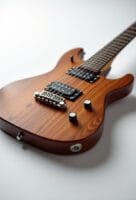
Hey! So, you know those electric guitar pickups? They’re super important for turning the vibrations of the guitar strings into electrical signals, which is how we get all that awesome sound amplified. Basically, at the core of every pickup, you’ve got coils of wire that work with magnetic fields to create this magic.
Now, let me break it down a bit. There are two main types of pickups: single coil and humbucker. Single coil pickups have just one coil wrapped around a magnet, which gives you that bright, crisp tone. But here’s the catch: they can pick up a lot of unwanted noise from things like fluorescent lights. On the flip side, humbucker pickups have two coils that are wired in a way to cancel out that noise, and they provide a warmer sound. This makes them a great choice when you’re cranking up the gain for rock or metal music.
The type of magnet used, like Alnico or ceramic, and even how many times the coil is wound can really change the sound too. It’s all about how these elements work together to shape the overall tone you’re hearing. Additionally, the output resistance of pickups, typically measured in kilo-ohms, plays a crucial role in determining their strength and interaction with amplifiers.
The Distinct Characteristics of Single-Coil Guitar Pickups

Hey! So, let’s talk about single-coil guitar pickups—these guys really stand out in the electric guitar world. They’re known for that bright, crisp tone that’s music to the ears, especially when you’re playing genres like blues or indie rock. The secret? They capture string vibrations using a single wire coil wrapped around individual magnets for each string. This setup gives you amazing clarity, so you can really hear the nuances in your playing.
But here’s a little heads-up: if you’re playing with high gain, you might notice a pesky 60-cycle hum creeping in. It’s one of those quirks that comes with the territory, but it can be managed. The beauty of single-coil pickups is that their position on the guitar can change your sound quite a bit. For instance, the bridge pickup will give you a sharper and brighter tone—perfect for those biting solos—while the neck pickup offers a warmer, fuller sound that works great for rhythm playing or smooth melodies. Many players opt for humbucker pickups or coil-splitting options to reduce this unwanted noise without sacrificing tone, taking advantage of noise reduction technologies developed for high-gain performance.
Understanding the Anatomy of a Humbucker Pickup

Hey there! Let’s talk about humbucker pickups—they’re pretty cool and a key part of electric guitar sound. A humbucker consists of two coils that are wired together, and here’s the clever part: one coil is wound in reverse polarity to the other. This design helps cancel out unwanted noise, like a built-in filter for electromagnetic interference—kind of like having a bouncer at a club who keeps out the unwanted guests!
When it comes to the sound, humbuckers usually have more wire turns than single-coil pickups, and that thicker wiring results in a powerful, rich tone. They include either Alnico magnets, which give a warm, vintage sound, or ceramic magnets, which tend to be louder and punchier for a more modern vibe. You can hear these differences in the tones used by legendary guitarists like Slash from Guns N’ Roses, who loves the warmth of Alnico, and Jimmy Page of Led Zeppelin, who often uses humbuckers for that iconic rock sound. Additionally, wax potting is often used in pickups to reduce feedback and noise for a cleaner signal, enhancing the overall performance of humbuckers and single coils alike, making it an essential factor in quality pickup design and maintenance. wax potting
What’s the Difference Between Single-Coil and Humbucker Sounds?
Hey there! Let’s chat about guitar pickups, specifically the sounds of single-coils and humbuckers. If you’re picking up a guitar, understanding these two types can really shape your tone. Single-coil pickups, for instance, bring out bright, sharp sounds – think of the classic twang you hear in funk and blues songs. Their clear string separation means you’ll hear every note shine through beautifully.
Now, if you lean more towards rock or metal, humbuckers might catch your ear. They have two coils that work together, giving you a warmer, thicker sound and reducing unwanted noise. This is why you often hear them in heavier genres. While single-coils have that clean, crisp feel, humbuckers deliver a smooth, rich tone with plenty of bass.
Choosing between them comes down to what sound you’re going for. If you want to add some funk flavor to your playing, single-coils are your go-to. But for those heavy riffs, humbuckers will elevate your tone. So, consider what style you’re after, and you’ll be ready to pick the perfect sound for your music! Additionally, the choice of magnet types like Alnico or ceramic also plays a crucial role in shaping the tonal character of your pickups.
How Guitar Pickup Design Influences Sound Quality
Hey there! You know, guitar pickup design really shapes the sound of our guitars. Whether you’re rocking single-coil or humbuckers, the type of pickup you choose can make a big difference in the overall tone. For instance, single-coil pickups typically give you those bright and sharp sounds that can really cut through the mix. On the other hand, humbuckers offer a thicker and warmer character, which is perfect for those rich, smooth tones.
Let’s break it down a bit more. The number of coil windings and the type of magnets used—like Alnico or ceramic—also play a crucial role. For a great example, if you have a guitar with Alnico magnets, you might notice some lovely dynamic response and tonal richness. And don’t forget about the placement; neck pickups usually give a warmer tone, while bridge pickups create a sharper sound that can really slice through.
Every little detail in the design affects your guitar’s unique sound profile. Whether it’s the winding patterns or the process of wax potting to reduce feedback, these design choices all contribute to the voice of your instrument. So, figuring out what suits your style can be a fun journey towards finding your perfect tone! Now, let’s explore the different types of pickups and see how each can fit into your musical preferences.
In addition, selecting the proper guitar pickup selector switch can further refine your tone by enabling smooth, quiet switching between pickups without introducing unwanted noise.
How Electromagnetic Interference Affects Single-Coil Sound
Hey there! So, let’s chat about single-coil pickups and their relationship with electromagnetic interference (EMI). If you’ve ever noticed that annoying 60-cycle hum when you crank up your amp, that’s EMI making itself known. Single-coil pickups are particularly susceptible to this interference because they have just one wire coil wrapped around magnets, leaving them open to noise from things like fluorescent lights or even your computer monitor.
If you compare them to humbuckers, you’ll see a big difference. Humbuckers use two coils wired in opposite directions to cancel out some of that unwanted sound, while single-coils don’t have that built-in noise-canceling feature. But don’t worry, there are ways to tame the noise without sacrificing that bright, clear sound single-coils are known for. One popular method is the RWRP (reverse wound reverse polarity) configuration, which helps cut down the hum when you combine pickups. Additionally, factors like the guitar’s wood materials and construction can influence how much ambient noise the pickups pick up, affecting the overall tone quality.
Best Genres for Single-Coil and Humbucker Pickups
Hey, let’s chat about pickups for a second! If you’ve been curious about how different pickups impact your tone, single-coil and humbucker pickups are two main types that really shine in their own musical genres. You see, single-coil pickups are fantastic for styles like funk, blues, and indie rock because they produce bright and clear tones. This crispness really helps bring out the dynamics in your playing! Just think of artists like John Mayer; he really knows how to utilize the expressive sound of a single-coil in his blues solos.
Now, let’s flip the coin and talk about humbuckers. When it comes to rock, metal, and even jazz, humbuckers are the way to go. They deliver a richer, warmer sound that can really handle distortion and high-gain situations without getting muddy. Take legendary guitarists like Slash or Kirk Hammett, for instance. They use humbuckers to create those powerful riffs and heavy tones that fans love. Each type of pickup has its niche, making them perfect for different genres and playing styles. So, whether you’re going for that jangly indie vibe or a thick rock sound, knowing the strengths of your pickups can make a world of difference!
Speaking of sound and style, let’s discuss how the choice of pedals can further enhance your tone by selecting pedals with true bypass functionality to maintain your original sound clarity.
Explore How to Choose Between Single-Coil and Humbucker?
Choosing between single-coil and humbucker pickups can seem a bit confusing, but once you grasp how they shape your sound, it gets much easier. Single-coil pickups deliver that bright and crisp tone that really shines in styles like funk or blues. For instance, if you’re strumming a funky rhythm or playing a bluesy lead, single-coils can bring out those sharp little nuances. However, they tend to pick up a bit more noise and interference, which can be a downside if you’re in a noisy environment.
On the flip side, humbuckers provide a thicker, warmer sound that many rock and jazz musicians swear by. Imagine playing a powerful rock riff or smooth jazz chord progression—humbuckers can really fill out that sound and also help reduce unwanted noise. So, if you like a heavier sound and play in louder settings, humbuckers might be the way to go.
It’s also worth noting that many guitarists experiment with combinations of pickups, like HSH (humbucker-single-coil-humbucker), to leverage the strengths of both types. When you’re figuring out your setup, think about your musical style and the environments you play in. Remember, the right pickup choice can really shape your playing and sound, guiding you toward your signature tone! Moreover, integrating noise reduction technology can further enhance clarity by minimizing unwanted hum and interference in your signal chain.
Common Modifications to Improve Guitar Pickup Performance
If you’re looking to boost your guitar pickup performance, there are a bunch of cool modifications you can try that can really shape your sound. For instance, one really effective way is to make some wiring changes. Have you ever thought about coil splitting on a humbucker? It’s a neat trick that gives you access to a range of tones, letting you switch between a thicker sound and a more jangly single-coil vibe just by flipping a switch!
Another easy adjustment you can make is the pickup height. Just a tiny tweak can completely change your guitar’s output and response, making it feel way more alive under your fingers. If you want to take it a step further, consider upgrading to boutique pickups. They can provide a clarity and dynamic range you might not have experienced yet, which can make a huge difference in how your guitar sounds in a mix.
Don’t forget about noise issues either! Simple techniques like wax potting can help minimize unwanted hum and buzz. Also, experimenting with RWRP configurations for single coils is a great way to cut down on interference. Finally, don’t overlook adjusting your capacitors and potentiometers. These little tweaks let you fine-tune your tone to perfectly match your playing style. With these modifications in your toolkit, you’re already on your way to creating a sound that’s uniquely yours. What else would you like to explore in your guitar setup? Remember that regular maintenance using a reliable guitar potentiometer cleaner can also keep your tone crisp and your controls smooth, enhancing overall performance.
Evaluating Pickup Brands: Key Features to Consider
Hey there! If you’re looking to get the most out of your guitar, checking out pickup brands is super important. First off, let’s talk about magnets. For example, Fender’s Single Coil pickups have this classic, vintage warmth that’s perfect for those melodic, clean tones. On the flip side, PAF Humbuckers pack a punch and are great if you’re into heavier styles – they really help bring out the grit in your sound.
Now, let’s break it down a bit further. The way pickups are made matters a lot too. Hand-wound pickups often have a special character that machine-wound ones just don’t capture. It’s like comparing a handcrafted piece to something mass-produced; there’s a personal touch that shines through. And don’t forget about tonal characteristics – they can really shape your sound’s clarity and richness.
Also, if you’re worried about noise, look for pickups with noise cancellation features like RWRP designs. They’re specifically made to reduce hum, giving your playing a cleaner vibe. All these factors can lead you to the perfect pickup brand for your style. So, with that in mind, let’s have a look at some popular brands that players swear by! Additionally, many musicians enhance their acoustic tone using piezo pickups that capture natural sound with minimal feedback.
Frequently Asked Questions
Are Single Coil Pickups Better Than Humbuckers?
In our musical journey, we often find ourselves torn between single-coil pickups’ crisp clarity and humbuckers’ rich warmth. Both pickup types shine with their unique sonic characteristics, distortion effects, tonal versatility, and genre suitability—it’s all about player preference!
What Are the Disadvantages of Single Coil Pickups?
We’ve noticed single-coil pickups can have buzzing interference, feedback issues, and tonal limitations. Their noise susceptibility and incompatible styles often arise from pickup height and string interaction, leading to uneven performance if not properly adjusted.
Why Do Single Coil Pickups Sound Better?
Single-coil pickups sound better for many of us because their construction enhances pickup tone and sound dynamics. They excel in various music genres and guitar styles, aligning with artist preferences and effective recording techniques for clarity.
How Does a Single Coil Pickup Work?
In crafting our melodies, single coil pickups, with their delicate wiring configurations and specific magnet types, capture string vibrations beautifully. Their historical significance offers crisp tonal characteristics, favored in genres like blues, despite a touch of noise.


