As an Amazon Associate, we earn from qualifying purchases. Some links on this site are affiliate links at no extra cost to you. Our recommendations are based on thorough research and editorial judgment.


How to Hold a Guitar Properly: Posture for Classical vs Casual Playing

To hold a guitar properly, we must focus on posture, whether we’re playing classical or casually. In the classical position, we rest the guitar on our left thigh, keeping the neck angled upwards for better visibility. For casual playing, it typically sits on the right thigh, allowing relaxed strumming. Maintaining awareness of our posture guarantees comfort and prevents strain. By correcting common mistakes, we can enhance our playing experience. Let’s explore more tips to refine our technique!
Key Takeaways
- In classical position, rest the guitar on your left thigh and use a footstool for optimal height and stability.
- In casual position, place the guitar on your right thigh for comfort, but maintain awareness of posture.
- Ensure the neck angles upwards in the classical position for a better view and ease of chord transitions.
- Avoid slouching or using your strumming hand to support the guitar; maintain relaxed posture to prevent tension.
- Use wide, padded guitar straps to evenly distribute weight and reduce fatigue during longer playing sessions.
Why Good Posture Matters: Common Issues Guitarists Face

You may be interested


When it comes to playing guitar, we often focus on all the cool techniques and practice routines, but let me tell you, good posture is just as crucial! If we hold our guitar the wrong way, it can create tension and discomfort in our left arm and neck. For instance, if you’re reaching too much to play a chord, you might feel that stiffness creeping in, making it tricky to switch chords or stretch your fingers for those big intervals.
Maintaining consistent posture also helps prevent chronic neck and back pain, which could totally throw off your practice sessions. Imagine trying to nail that tricky solo with a nagging ache in your back—no fun at all! By keeping your guitar positioned right against your body, you’ll give your fretting hand the freedom it needs to move easily. It’s particularly vital with classical playing, where a slight adjustment can really enhance your performance. So, let’s keep our bodies in check, so we can focus on what we love—making music! Incorporating lessons from a Classical Guitar Method book can further improve your posture and technique for more effective practice.
The Classical Sitting Position: Benefits and Techniques

Hey! You know, while it’s super tempting to jump right into playing our favorite songs, let’s take a minute to chat about the classical sitting position. This method involves resting your guitar on your left thigh, which really helps with posture and gives you better stability as you play. Plus, if you angle the neck upwards, you’ll have a clearer view of the fretboard, which can make a big difference in reducing strain on your left arm.
Now, when it comes to how you sit, try perching on the edge of your guitar chair and aim for a 45-degree angle or even sharper. This should feel more comfortable, and it really helps you avoid any funky tension in your thighs. If you have a footstool handy, kick your left leg up on it; this can give your guitar the right height and make all the difference. And don’t forget to check in on your posture regularly! Keeping your body aligned is just as important as learning those tricky chords. Additionally, selecting the right guitar size can further enhance comfort and playability during classical sitting.
Recommended Products

SOLID SPRUCE TOP: The solid spruce top adds to a fine variety of tones.
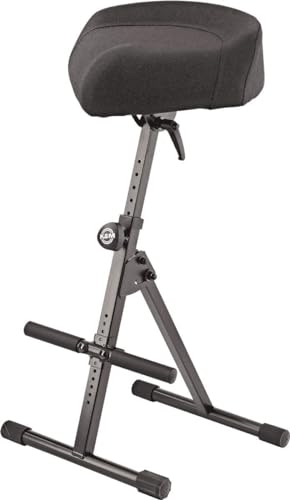
THE INNOVATIVE LEADER IN STAND TECHNOLOGY: The K&M Performance Stool lets musicians, pro audio and monitor engineers comfortably adjust the height of the stool helping to prevent leg fatigue. An adjustable footrest makes this a favorite among guitarists.

Body material: Mahogany
The Casual Playing Position: How to Achieve Comfort as an Electric Guitarist

Hey there! Let’s talk about the casual playing position when you’re jamming on your electric guitar. Getting comfortable is key to really enjoying your playing experience. For right-handed folks, it’s common to rest the guitar on the right thigh when you’re seated. This laid-back setup makes it super easy to strum away and have fun. If you want to add a little extra support, try using a footstool under your left leg—it can really help with stability as you play.
Now, one thing to keep in mind is that the neck of the guitar angles away from your body, which can make it tough to reach some of those wider stretches. Also, if you decide to switch to standing, you might notice some awkward movements in your body if you’re not careful. So while this casual position is fantastic for laid-back sessions, it might not be ideal if you’re looking to focus intensely on your practice, like a classical guitarist would.
Speaking of practice, let’s move on and explore how to set up for more serious sessions, where posture and technique really come into play. To ensure your guitar stays secure and comfortable while playing standing up, consider using Dunlop guitar strap locks to prevent accidental drops and improve stability.
Recommended Products
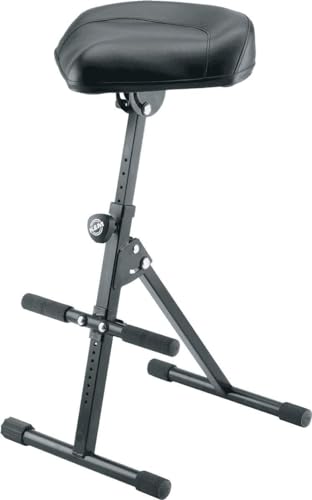
THE INNOVATIVE LEADER IN STAND TECHNOLOGY: K&M Performance Stool’s pneumatic spring lets musicians, pro audio and monitor engineers easily adjust the height and angle of the seat to help prevent leg fatigue. Guitarists love the adjustable footrest too.

Premium Guitarist Seat: Designed with a 3-point height-adjustment system and rear guitar hanger for ultimate convenience.
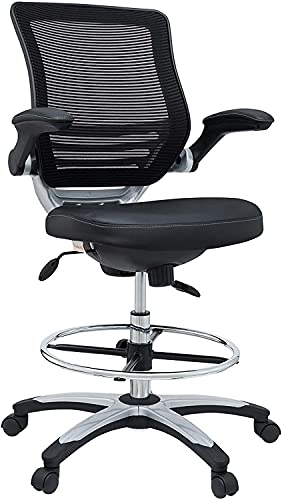
STUDIO CHAIR - Practice your guitar, architecture drafting, painting or sewing with a tall chair that pairs nicely with drafting tables. Attainment has flip-up arms that make it easy to practice.
How Can You Transition Between Classical and Casual Positions?
Hey there! Let’s talk about how to smoothly transition between classical and casual guitar playing positions. The first thing you’ll notice is that in the classical position, you rest the guitar on your left thigh, while in casual playing, you place it on your right thigh. This little adjustment can make a big difference in how relaxed you feel while strumming those chords.
When you first start switching between the two positions, try practicing for just a few minutes in each style. As you get more comfortable, you can gradually increase the time. For example, when you’re in the classical position, using a footstool can be super helpful for proper posture, but remember to take it away when you shift to casual playing. This allows your legs to align naturally, making it easier to play.
After you make any changes, take a moment to check in with your posture. Keeping it aligned and healthy is really important for your playing. The more you practice transitioning, the more natural it will feel, almost like second nature. Once you’ve got those shifts down, we can explore some techniques that’ll spice up your playing style even more! Additionally, using gear like an acoustic guitar preamp can enhance your sound and complement your playing techniques.
What Common Mistakes Should You Avoid When Positioning Your Guitar?
Positioning your guitar properly is super important, but it’s easy to slip into some common mistakes that can really affect how you play. For starters, using your strumming hand to hold the guitar can create unnecessary tension in your arm. Instead, think about keeping your posture upright and relaxed. This small change can make a big difference; for example, try setting the guitar on your knee with a slight tilt and using your thighs for support.
Another thing to watch out for is relying too much on your fretting hand to hold the neck of the guitar up. This can lead to discomfort over time. It’s better to let the weight of the guitar rest on your lap while your fretting hand focuses on playing those chords. Also, pay attention to how you sit; if you tend to slouch or lean back, it can really throw off your positioning. Aim to keep the headstock at shoulder level so you have a clear line of sight to the fretboard.
Lastly, remember to keep your body relaxed while you play. If you tense up, you’re likely to experience pain in the long run. Think about how you can maintain a comfortable stance—maybe take breaks to stretch or shake out your hands. By avoiding these common pitfalls, not only will you improve your playing, but you’ll also enjoy the process much more. Now, let’s chat about how to find the right guitar for your style! Proper neck relief maintained through truss rod adjustments can also significantly enhance your playing comfort and technique.
Recommended Products
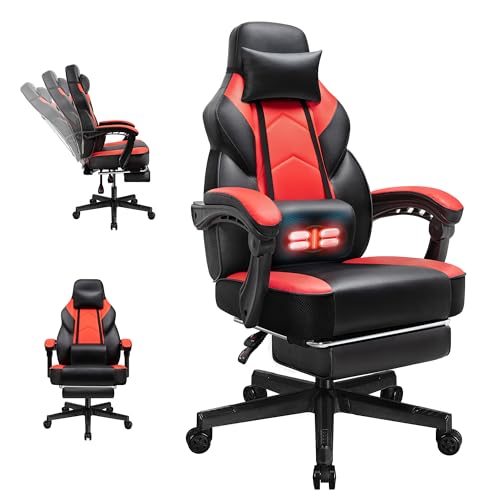
【Comfotable and Superiority】The gaming chairs are made from breathable leather seat cushions, the leather is crafted to be wrinkle-resistant and the bonding features sturdy double stitching. it ensures softness and comfort while allowing you to enjoy breathable freely during long gaming sessions

AWARD-WINNING SPLIT DESIGN: Unlike fixed ergonomic keyboards, the Freestyle2 allows you to rotate and separate the key modules up to 20" to achieve natural hand, wrist and forearm positions for your specific body type and preferences.

1️⃣Ergonomic Playing Posture Support Designed to support a more natural and correct seated playing posture.
How to Fix Common Mistakes in Guitar Positioning?
Fixing common mistakes in guitar positioning is easier than you might think! Let’s start with how you hold the guitar. You want the body of the guitar resting comfortably against your right thigh, no matter what style you’re playing. This position not only feels good but also helps decrease strain in your hands and arms.
Next, pay attention to your fretting hand. It’s easy to instinctively use it to support the neck, but that can lead to discomfort and ways that slow down your playing. Instead, let the neck rest in your fingers while keeping your grip relaxed.
Don’t forget about your shoulders and back! Keep them relaxed and aligned to promote a smooth playing experience. A real game-saver is to check your posture using a mirror or by recording yourself. Often, you’ll spot bad habits or awkward positions that you might not even be aware of.
Once you’re comfortable with your positioning, you’re on a fantastic path to enjoying your music even more! Let’s explore some exercises that can further enhance your technique and ease while playing. Additionally, maintaining your instrument with regular guitar setup ensures optimal playability, which complements good posture and technique.
Recommended Products

*6-Gear Lockable Flip-Up Armrests - Unlike the ordinary armless criss cross office chair on the market, SUNNOW cross legged office chair innovatively developed a 6-gear lockable arm. The arm of this ergonomic office chair can be flipped upwards from 180° to 90°, with each 15° being a fixed position. In addition to enjoying the crossed legged, you can also enjoy more comfy sitting postures (Meditation, Yoga, Playing with your pet). It is extremely comfortable to sit freely and can also be used as an ADHD chair.

【ERGONOMIC OFFICE CHAIR】- The ergonomic chair provides 4 supporting points(head/ back/ hips/ hands) and a proper lumbar support. Suitable for people of about 5'5" to 6'3"(Please refer to the chair size). Enjoy customizable comfort with flip-up arms, 90-120° tilt function, 3D headrest, flexible seat and manufacturer support.

【3D Coordinated Armrest】SIHOO M59AS's armrests are not only adjustable from front to back and left to right, the linkage design also allows the chair to provide perfect support for your arms at any tilt angle.The PU skin-friendly material provides you with a comfortable touch, so you can have a cozy experience whether you are working or studying or resting and relaxing.
The Role of Guitar Supports and Straps in Enhancing Posture and Comfort
You know how playing guitar can sometimes make you feel all tensed up, especially if you’re not sitting right? That’s where guitar supports and straps come in—they’re so important for keeping your posture and comfort in check while you play. Take guitar supports like the ErgoPlay or Gitano, for example. They help you position your guitar at the perfect angle, so you can sit back, relax, and focus on making beautiful music instead of worrying about your hands getting strained.
Now, if you’re jamming out while standing up, straps are your best friend. They help evenly distribute the weight of the guitar across your body, which means less stress on your back and shoulders. Like, think about it—if you’ve ever tried playing without a strap, you probably felt your shoulder tightening after a while. Choosing an extra-wide and padded strap can significantly reduce fatigue by distributing the guitar’s weight more evenly during long sessions.
Recommended Products

Highest quality padded, comfortable garment leather

2.5” BLACK GARMENT LEATHER CONSTRUCTION: Crafted from premium black garment leather with 1/4" supple padding and a matching leather backing for exceptional comfort and support.

HIGH QUALITY LEATHER: Straps are hand-made with the absolute finest quality full-grain leathers in the world.
Frequently Asked Questions
What Is the Correct Posture for Playing Classical Guitar?
When playing classical guitar, we should focus on body alignment, ensuring our neck angle is steep, arm placement is relaxed, feet positioned firmly, and back support is solid to maintain proper classical finger positioning.
What Is the 80 20 Rule for Guitar?
Think of our guitar journey like a garden; we’ll plant just a few seeds—technique improvement, string selection, and finger positioning. By focusing on these essentials, we can flourish while easing performance anxiety in our learning styles.
What Is the 10,000 Hour Rule for Guitar?
The 10,000 Hour Rule suggests mastering guitar takes dedication. We should focus on practice techniques, finger placement, and strumming patterns, use effective warm-ups, incorporate learning resources, and manage performance anxiety to optimize our journey.
Does Taylor Swift Play Acoustic or Classical Guitar?
Taylor Swift’s style shines through her acoustic guitar playing, blending various musical influences. She masterfully employs acoustic guitar techniques in her songwriting process, enhancing live performance setups with heartfelt emotion and genuine connection. Let’s learn from her vibrancy!


