As an Amazon Associate, we earn from qualifying purchases. Some links on this site are affiliate links at no extra cost to you. Our recommendations are based on thorough research and editorial judgment.


What Are Fret Sizes and How Do They Affect Your Playing?

Fret sizes are essential for our guitar playing comfort and technique, affecting everything from string bending to tone. Jumbo frets are wider and taller, making it easier for us to bend strings and play expressively, which is great for rock and blues. On the other hand, vintage frets are narrower and lower, perfect for smooth chord shifts. By choosing the right fret size for our style, we can greatly enhance our playing experience—and there’s much more to explore about this topic!
Key Takeaways
- Fret sizes vary in width and height, influencing comfort, playability, and the ease of executing techniques like string bending and chord transitions.
- Jumbo frets facilitate string bending and expressive playing due to their larger dimensions, making them ideal for genres like rock and blues.
- Vintage frets offer smoother chord transitions but limit string bending due to their lower profile, catering to classic playing styles.
- The choice of fret size impacts tone quality; larger frets enhance expressiveness while vintage frets provide crisp sounds for strumming.
- Experimenting with different fret sizes helps identify personal comfort and suitability, tailoring the guitar’s playability to individual playing styles.
Why Fret Size Matters for Guitarists

You may be interested



When it comes to playing guitar, we often get wrapped up in thinking about the strings, body shape, and sound. But fret size is something we shouldn’t overlook! The width and height of the frets can really change how guitarists play. For instance, if you’ve ever tried a guitar with jumbo frets, which are about .110″ wide and .055″ high, you might have noticed how easy it is to bend the strings. That said, they can feel a bit bulky for some players.
On the other hand, taller frets can make it so you don’t have to press down as hard to get a clear note, which helps if you’re strumming away at lightning speed. Medium jumbo frets strike a nice balance between comfort and functionality, making them a popular choice for all sorts of playing styles. So, when you’re hunting for your next guitar or thinking of making some tweaks to your current one, keep fret size in mind. It’s all about what feels right for you and how you like to play! And once you find the perfect fit, you’ll see how much your playing can improve. Proper maintenance with fret crowning files can also preserve the feel and functionality of different fret sizes over time.
Understanding the Anatomy of a Fret

Let’s talk about fret anatomy—it’s a really interesting part of guitar design that can totally change how we play. The size of a fret, which includes its crown height and crown width, can either help or hinder your playing experience. For example, if you look at vintage frets, they tend to be narrower and lower, giving that classic feel. On the other hand, modern frets, like the popular 6105, have a taller profile that makes it easier to play fast or do tricky bends.
Now consider jumbo frets: they’re larger and make it even simpler to bend strings and hit those high notes comfortably. But keep in mind, their width can sometimes complicate sliding your fingers up and down the neck. So, whether you’re leaning towards those old-school vintage frets or enjoying the accessibility of jumbo frets, understanding fret anatomy can really fine-tune your playing experience.
It’s like choosing the right tools for a job—what works best for you? As we play, we start to discover what feels right, making our musical journey even more rewarding. Using tools with precision and comfort can similarly enhance your overall guitar experience.
How Are Fret Sizes Measured?

Hey! So, let’s talk about how fret sizes are measured because it really helps us understand their role in our playing experience. Fret sizes are measured in thousandths of an inch, with two key aspects that matter: the width and height of the fret crown. You might see sizes labeled like 6230 or 6105 from different manufacturers, which tell you exactly what to expect.
For example, if you’re considering fret sizes, narrow vintage frets usually measure around .078 inches wide, while jumbo frets can go all the way up to .110 inches. On the height side, medium jumbo frets might sit at about .036 inches, whereas some jumbo frets can reach .055 inches. These variations can dramatically change how your guitar feels to play, so it’s crucial to pick a fret wire that suits your style.
Choosing the right fret can enhance your playability, especially if you have a specific technique in mind, like bending notes or fast runs. Understanding these measurements opens up your options, making it easier to select what works best for you. Ready to move on to fret materials next?
Using precise tools like a notched straight edge helps ensure your frets are properly leveled and aligned, which directly impacts your playing experience.
How Fret Size Affects Playing Techniques
Hey, have you ever thought about how much fret size can really change the way you play guitar? It’s pretty fascinating! For example, taller frets can actually reduce the pressure you need to apply when you’re bending strings or doing techniques like tapping. This can make everything feel a bit more natural and give you better control, which is a big deal for genres like blues and rock.
Now, let’s talk about fret width. Wider frets can make sliding between notes feel almost effortless, letting you move around the neck quickly and with less resistance. However, be cautious if you tend to strum aggressively; those taller frets might cause some tuning issues because of how they interact with your strings. So, the way fret size influences your playing style can be quite significant, affecting both your comfort and speed on the fretboard.
Getting a grasp on how fret size fits into your playing style can really help you fine-tune your skills. Whether you’re a beginner or a seasoned player, it’s worth experimenting with different fret sizes to find what works best for you! Different fret wire materials also impact tone and durability, which can further enhance your playing experience.
How Fret Size Affects Tone
You know, when it comes to how our guitar sounds, the size of the frets can really make a difference. Larger frets can actually enhance playability, making it easier to bend strings and requiring less pressure from your fingers, which can be a lifesaver during long practice sessions! For example, if you enjoy playing solos, those larger frets can help your notes sustain longer, so they ring out beautifully while you’re soloing.
Now, vintage frets are a whole different ballgame. They’re lower and narrower, which can deliver that bright, crisp sound that’s fantastic for strumming chords. However, they might hold you back if you want to explore more expressive techniques, like intricate bends or fingerstyle playing. Plus, the material of the frets also comes into play. For instance, stainless steel frets can give you a brighter tone compared to the more traditional nickel-silver ones. Similarly, upgrading to high-quality materials can significantly improve sound quality and tonal clarity.
Common Fret Sizes: An Overview
Fret size really affects how we play the guitar, and it’s interesting to see what options are out there. For example, vintage frets, like the 6230, are .078″ wide and .043″ tall, making them great for smooth chord transitions—perfect for strumming along to a favorite song. On the other hand, modern guitars often come with 6105 frets—they cater to both the vintage feel and the playability we crave today. If you love string bending and want that sweet sustain, you might want to check out jumbo frets, which are .110″ wide.
For something in between, medium jumbo frets are popular because they strike a nice balance for many players. And if you’re someone who likes quick, nimble playing, you might prefer narrow-tall frets since they make bending notes a breeze. Thinking about these fret sizes can really enhance your playing experience and help you find the guitar that suits your style best. Ready to explore more about choosing the right guitar for your sound? The choice of neck profile shapes, such as C, U, and V shapes, also significantly influences comfort and playability for different fret sizes.
Recommended Products
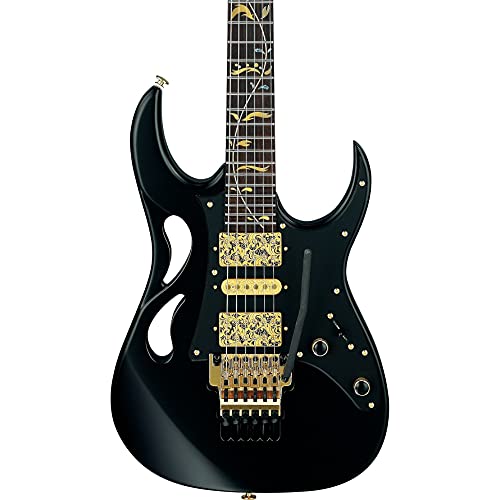

Solidbody Electric Guitar with Alder Body

The combination of a soft vintage v-shaped neck, modern flat 12" freeboard radius, and medium jumbo frets, offers a fast and comfortable playing experience unlike any other.
Comparing Different Types of Frets
Hey there! You know, when it comes to guitar playability, exploring the different types of frets can make a big difference in how we play. For instance, vintage frets are designed to be narrow and tall, measuring just .078″ wide and .043″ high. They’re fantastic for smooth chord transitions, but if you like bending strings, you might find them a bit limiting.
On the other hand, jumbo frets, which are much wider at .110″ and taller at .055″, are a great option for those who like to really dig into their physical playing styles. If you’re someone who plays a mix of rhythm and lead, medium jumbo frets could be your best friend at .106″ wide and .036″ high. They provide a nice balance! Then we have narrow-tall frets at .090″ wide and .055″ high, which are excellent for bending without losing control.
Proper fret maintenance with precision feeler gauges helps ensure optimal playability and longevity of your frets.
Recommended Products

WestCreek Revenge Introduction: This WestCreek Revenge electric guitar is easy to the upper frets.
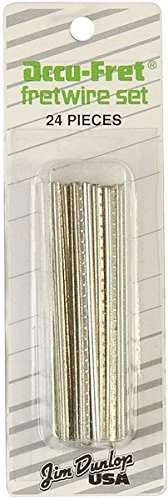
Made of Nickel/Silver alloy

Stainless steel frets are slow to wear or develop grooves, so you get smooth string bends for years longer
Selecting the Ideal Fret Size for Your Playing
Choosing the right fret size for your playing style can really make a difference in how comfortable and enjoyable your guitar experience is. So, let’s break it down together! If you’re into a mix of playing chords and leads, medium jumbo frets could be your best bet. They strike a nice balance between the two, allowing you to strum freely while also bending notes when you want to add some flair.
But if you love string bending and want to dive into the expressive techniques found in rock and blues, you might want to try jumbo frets. They offer a bit more space, making it easier to push those strings and hit those bendy notes just right. Now, if you tend to play rhythm mostly and prefer smooth chording, vintage frets might suit you well, although keep in mind they can limit your bending options a bit.
It’s really all about trying out different sizes to see what feels good for you. Grab a few guitars with different fret sizes at your local shop, and spend some time playing around. You might be surprised at how much the fret size can change your playing experience. Additionally, the choice of a fret hammer during maintenance can affect how well your frets are installed and ultimately influence your playing comfort.
Now that you have a feel for how fret sizes impact playability, let’s take a look at other aspects of your guitar setup that can enhance your performance!
Recommended Products

Play with passion or add to your collection with the confidence that it has been approved and co designed by Adam Clayton the bassist of one of the most iconic bands in Rock and Roll history -“U2”
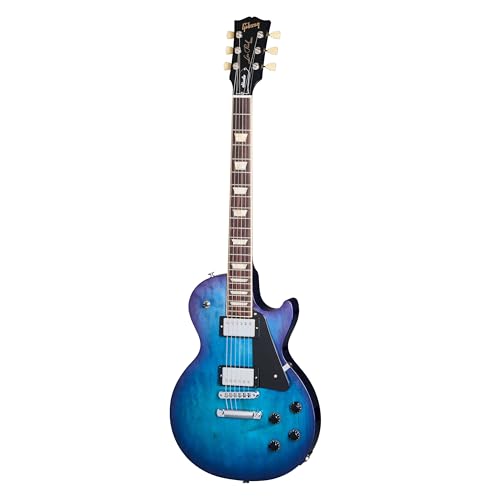
Mahogany body in Gloss Nitrocellulose Laquer finish

With a thicker oval shaped neck, flatter 12" freeboard radius, and Dunlop 6105 Narrow Jumbo frets, the SRV signature Strat offers easy string-bending and a fast, comfortable feel.
Is It Time for a Refret?
Hey there! So, once you’ve found the perfect fret size that fits your style, it’s a good idea to take a real close look at the condition of your frets. You’ll want to check for any noticeable wear, like indentations or grooves that could make playing a bit tricky. If you’re having issues with string bending or hearing that annoying buzz, that might mean your frets aren’t level or are too low, which are clear signs it’s time for a refret.
Getting a professional refret can actually let you explore different fret sizes that might enhance your playing experience. For instance, if you usually play blues and find yourself bending strings a lot, switching to a slightly taller fret could really help with that. While regular maintenance can keep your frets in decent shape for a while, you definitely don’t want to wait too long if you notice serious wear. Just think about it: investing $350 to $500 in a refret could really keep your guitar feeling great, especially if you want to keep jamming away!
And speaking of keeping things in top shape, it’s also useful to think about how often you change your strings, as that can affect the life of your frets too. Additionally, choosing the right guitar size and fit can improve your overall playability and reduce unnecessary fret wear.
Recommended Products
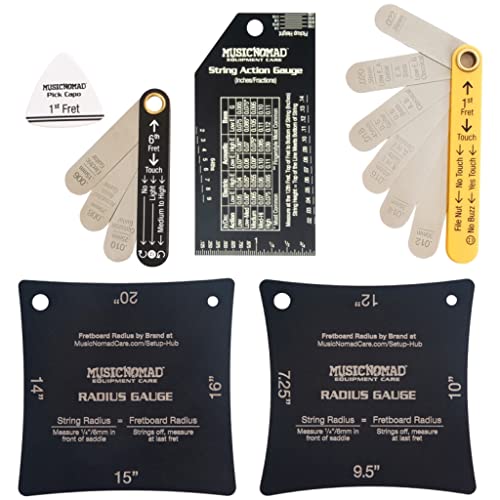
Each Gauge is Accurate, Made of Premium Stainless Steel, Etched Numbers & Text, and Has Instructions Printed on Each Gauge
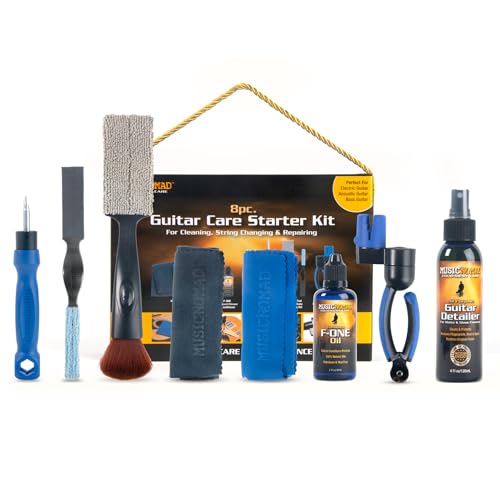
EVERYTHING TO CLEAN, RESTRING, AND REPAIR YOUR GUITAR - Music Nomad’s 8-piece Guitar Care Starter Kit is your all-in-one set to remove grime, change strings fast, and make critical adjustments on your guitar. The safest cleaners, custom tools, and handy problem-solvers to work on all stringed instruments: electric, acoustic guitar, bass, mandolin & more. This is the perfect gift for any guitarist and even comes with a convenient storage box with custom slots for each tool.

All-in-one instrument care system
Tips for Testing Fret Sizes Before a Purchase
When it comes to finding the perfect fret size for your playing style, testing them out before you buy is key. A great way to do this is by trying the same piece of music on different guitars. This gives you the chance to see how each fret size feels in your hands. For example, larger frets usually let you bend the strings more easily, so you might find yourself playing with less pressure.
It’s super important to keep things like string gauge and your pickup settings the same while you’re testing, so you get a fair comparison. Pay attention to how your hand position changes with different fret sizes. Wider frets can feel a bit bulkier, which might make it harder to reach for tricky chord shapes. You might notice that playing rhythm parts versus lead parts feels different, too.
Also, using the right accessories such as right angle guitar cables can help reduce hand strain during practice sessions, allowing for a more comfortable playing experience.
Recommended Products

SA2200 Violin Sunburst

Time tested tones of mahogany with a maple carved top provide rich and thick sonic textures not typically indicative of a traditional Fender Telecaster

STEWMAC ORIGINAL DESIGN: Developed by StewMac’s expert luthiers for precision fret slotting—refined through years of workshop testing
Frequently Asked Questions
What Fret Size Is Easiest to Play?
We believe medium jumbo frets offer the best balance for players. Their fret size comparison suits diverse techniques, while smaller frets feel comfortable for beginners, and larger frets enhance string bending, reflecting personal player preference.
Can You Put a 24 Fret Neck on a 22 Fret Guitar?
Yes, we can install a 24 fret neck on a 22 fret guitar, but we’ll need to take into account fret compatibility, scale length influence, and make guitar modifications like bridge alignment and pickup positioning for maximum playability.
What Is the 3 Fret Rule?
Imagine us dancing gracefully across our guitar’s neck; the 3 fret rule keeps our fingers close, enhancing fret positioning accuracy and smooth chord shifts, improving note clarity and making finger placement technique more beginner-friendly.
Is a 12 Fret Guitar Easier to Play Than a 14 Fret?
We’ve found that a 12 fret guitar can offer better playing comfort and accessibility for finger positioning, while a 14 fret model excels in soloing techniques and chord shifts due to its extended scale length and body shape.


