As an Amazon Associate, we earn from qualifying purchases. Some links on this site are affiliate links at no extra cost to you. Our recommendations are based on thorough research and editorial judgment.


The Science Behind Guitar Bracing Patterns and Sound Projection

Guitar bracing patterns play an essential role in shaping sound production and projection. They support the top of the guitar, allowing it to vibrate freely! For example, X-bracing enhances tonal balance and projection, while scalloped bracing boosts dynamic range, perfect for fingerstyle players. The type of wood used also affects overall sound quality. By understanding these concepts, we can choose the right bracing for our playing style and enhance our musical experience. Let’s explore more about this fascinating topic!
Key Takeaways
- Bracing patterns determine how the guitar’s soundboard vibrates, influencing sound projection, sustain, and overall tonal character.
- X-bracing is the most common, balancing projection and tonal quality, making it ideal for various playing styles.
- Lighter bracing, like scalloped designs, enhances sustain and dynamic range, favoring fingerstyle techniques.
- The type of wood used in bracing, such as Sitka spruce, significantly affects vibration transfer and sound richness.
- Historical innovations, including modern enhancements like Taylor’s V-Class, have refined bracing techniques to improve projection and clarity in sound.
The Role of Bracing in Guitar Sound Production

You may be interested



Hey there! So, let’s chat about bracing in guitars—it’s really the backbone of the instrument. Think of it this way: the bracing pattern supports the top of the guitar, or the soundboard, letting it vibrate freely, which is key for producing those beautiful tones we love. For example, many guitars use X-bracing, which can significantly boost sound projection.
Now, the way the bracing is done can change the whole feel of the guitar. If the bracing is lighter, you might notice a super responsive sound, perfect for fingerpicking. On the flip side, heavier bracing can bring out more volume and definition in each note, which is great for strumming. Also, the type of wood matters a lot—Sitka spruce is a popular choice because it helps with vibration transmission, adding richness to the sound.
Essentially, when bracing is crafted well, it creates an awesome connection between the top and back of the guitar. This connection enhances the overall tone and dynamics, making your playing experience feel full and resonant. It’s pretty fascinating how such a crucial part can make such a difference in the music we create! Many high-quality guitars, like the Yamaha FGX800C, utilize a scalloped bracing pattern to optimize resonance and stage performance.
Next, let’s explore how other guitar components impact sound quality.
Common Guitar Bracing Patterns and Their Characteristics

Hey there! So, let’s chat about guitar bracing patterns, which play a huge role in shaping the sound and feel of your guitar. Each pattern has its own unique vibe. For example, X-bracing is super popular for steel-string acoustic guitars because it gives you great balance and projection. You’ll notice that when you strum or pick, the notes ring out clearly.
Then there’s scalloped bracing. This is a favorite among fingerstyle players since it allows the top of the guitar to vibrate more freely, enhancing the tonal depth. You really hear this richer sound in more intricate playing.
Now, if you’re into classical or flamenco guitars, you might encounter fan bracing. It’s designed to create a warm, complex voice, making distinct melodies and harmonies shine through. Lastly, ladder bracing offers a punchy tone that’s really great for blues and folk music, giving those riffs and strums a lively kick. High tension strings, like those made from rectified nylon, can complement these bracing patterns by enhancing sustain and tonal clarity.
Recommended Products

6-string Acoustic-electric Guitar with Torrefied Sitka Spruce Top

6-string Acoustic-electric Guitar with Solid Mahogany Top

6-string Acoustic-electric Guitar with Sitka Spruce Top
How Bracing Affects Sustain and Resonance

Hey, have you ever thought about how different bracing patterns on guitars affect the sound? It’s pretty fascinating! The way a guitar is braced not only changes its tone but also influences how long the notes last and how well they resonate. For instance, if you take lighter bracing like scalloped X-bracing, it helps the soundboard vibrate more freely, which boosts sustain—meaning your notes hang around longer. On the other hand, heavier bracing can tighten up the sound and give it more definition, but it might pull back on sustain a bit.
Another cool thing to consider is how bracing patterns like X-bracing can really shape how the vibrations travel through the guitar, impacting the overall tone. Plus, the type of wood used—like Sitka or Adirondack spruce—also plays a crucial role. Those materials work with the bracing design to either amplify the sound projection or create a richer resonance. So, when you’re playing, think about how your playing style, combined with the tailored bracing, can enhance the sustain of your notes. It’s all about that connection between how you play and what you hear! What do you think about how these details might influence your own sound? Additionally, protecting your guitar in a hard-shell case can help maintain its structural integrity, ensuring consistent sound quality over time.
Recommended Products

Solid figured maple back and sides
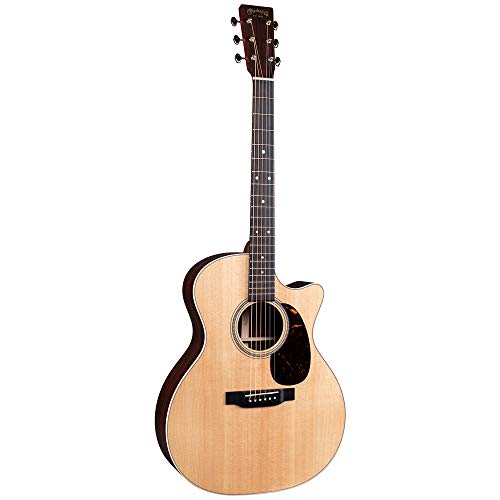
6-string Acoustic-electric Guitar with Spruce Top
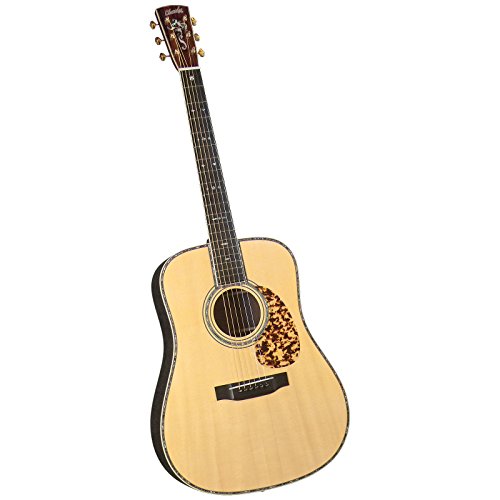
Solid Adirondack spruce top with scalloped braces provides you with superior note clarity and volume to spare
How to Choose the Best Guitar Bracing Based on Your Playing Style
Choosing the right guitar bracing is crucial for matching your playing style, and it can really shape your sound. If you’re into fingerstyle playing, scalloped bracing is a fantastic option. It boosts the dynamic range of your guitar, giving you rich tones and complexity that resonate beautifully across all the strings.
On the other hand, if you’re a flatpicker or love strumming, you might want to consider standard X-bracing. This style is known for its focused sound projection, making your strumming really clear and articulate. For those who lean towards classical music, fan-braced guitars are perfect, as they offer balanced tonal qualities that work wonders for intricate fingerstyle pieces.
Now, if you’re after a warmer tone, forward-shifted X-bracing would be your go-to. It pulls out more bass response, which gives a lovely depth to your sound. In contrast, modified X-bracing is excellent for strummers and bluegrass players—it brings a sharper, more pronounced sound that really cuts through when you’re playing with a group. Additionally, pairing the bracing design with the right wood materials significantly impacts the guitar’s tone and resonance.
Recommended Products

Solid, book-matched East Indian rosewood is used for the back and sides.
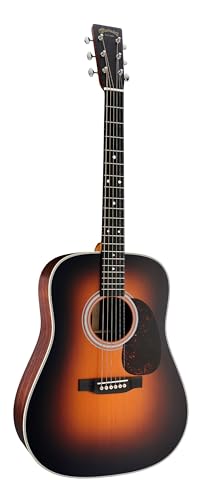
DREADNOUGHT BODY SIZE: The Martin Dreadnought is one of the most iconic acoustic guitar shapes, known for its bold, room-filling sound. Invented by Martin in 1916, this larger-bodied shape delivers strong bass, rich sustain, and excellent projection, making it perfect for strumming, fingerpicking, and any genre of music. Whether you're playing solo or in a band, the Dreadnought's warm, balanced tone ensures your sound stands out.
Essential Materials for Guitar Bracing: What to Know
When it comes to choosing the right materials for guitar bracing, you really want to think about how each option will affect your guitar’s sound and playability. For example, Sitka spruce is a popular pick because it’s super strong yet lightweight, giving your guitar that bright, clear tone many players love. If you’re after something a bit more premium, Adirondack spruce is another fantastic choice since it’s stiffer and can deliver even more power and projection.
You’ll also want to consider the grain of the wood. Quarter-sawn wood is often recommended because the way the grain runs helps enhance the strength of the braces and promotes better soundboard vibration. And let’s not forget carbon fiber. It’s becoming a favorite among some guitar builders – it’s stable in different humidity levels and maintains its structural integrity over time.
How these braces are crafted plays a huge role, too. A well-shaped brace can make a world of difference in how your guitar responds and sounds. Essentially, with the right materials and careful craftsmanship, we can really elevate the quality of our guitars. So, as you think about bracing, it’s all about balancing sound, strength, and stability to create something truly special. Now, let’s explore how these materials interact with the overall design of the guitar! Additionally, selecting materials with ergonomic design principles can enhance the playability and comfort of the instrument over long sessions.
Can You Upgrade Your Guitar’s Sound With Bracing Changes?
Upgrading your guitar’s sound with bracing changes can be a really fun adventure! You know, different bracing patterns, like fan bracing or scalloped X-bracing, can make a big difference in how your guitar projects sound. They help the soundboard vibrate and resonate more freely, which often means you’ll get a richer tonal range. If you choose lightweight woods, like Sitka or Adirondack spruce, you can also benefit from a great strength-to-weight balance.
When it comes to bracing, adjusting the height and thickness of the braces can really help refine your guitar’s tone. For example, lighter bracing can make your guitar more responsive and can add length to the sustain, whereas heavier bracing might give you clearer note definition. Take fan bracing—it’s fantastic if you want a warmer and more complex sound. And if you really want to experiment, trying brace reduction or different bracing styles could completely change how your guitar sounds, allowing you to tailor it to match your unique style. Using the right tools, such as precision nut slotting files, ensures your guitar modifications maintain accurate playability and sound quality.
Recommended Products

Kit Includes (3) ROHN 25G STANDARD 10' SECTIONS, (1) ROHN 25AG2 STANDARD 9' 9" TOP SECTION *40' is a nominal description - actual assembled height will be less if the bottom section is partially embedded in concrete*

INCLUDES: (2) ROHN 25G STANDARD 10' SECTIONS, (1) ROHN 25AG2 STANDARD 9' 9" TOP SECTION *30' is a nominal description - actual assembled height will be less if the bottom section is partially embedded in concrete*

INCLUDES: (1) ROHN 25G STANDARD 10' SECTIONS, (1) ROHN 25AG2 STANDARD 9' 9" TOP SECTION *20' is a nominal description - actual assembled height will be less if the bottom section is partially embedded in concrete*
Bracing’s Impact on Tone and Projection
Hey there! Let’s talk about how bracing affects a guitar’s tone and projection. You see, the bracing pattern is like the backbone of a guitar’s sound, playing a key role in how it produces music. For instance, X-bracing is quite popular among guitar makers because it enhances the tonal qualities of the guitar top. It’s designed to create balanced sound, promoting even harmonics for that lovely full sound. On the other hand, fan bracing leans more towards odd harmonics, which can create a richer texture, especially appealing for certain styles of music.
Now, the thickness of the bracing is another important factor. Heavier bracing can tighten up the bass response and boost volume significantly. If you’ve ever played a guitar with scalloped X-bracing, you might have noticed how it allows the top to vibrate more freely. This is fantastic for sustain and resonance, making these guitars well-suited for fingerstyle players who love that clear, ringing sound.
Lastly, brace placement can really affect how sound projects. Take forward-shifted X-bracing, for example. This setup can increase the bass response while giving the guitar a warmer tone, which makes it more expressive when you play. All these bracing details can help you find the perfect sound for your style, leading you to explore even more about guitar construction and how it affects your playing experience! Additionally, many dreadnought guitars incorporate a solid spruce top with X-bracing to enhance tonal clarity and warmth.
Tracing the Evolution of Guitar Bracing Techniques
Hey there! Have you ever thought about how bracing patterns have evolved in guitar-making? It’s fascinating! Bracing techniques, which are essentially the internal support structures of a guitar, play a huge role in how the instrument sounds and feels. Take the early 1840s, for instance—guitar makers like CF Martin introduced X-bracing for steel-string guitars. This was a game-changing moment, as it set a new benchmark for strength and tonal efficiency, allowing musicians to really bring out the sound in their performances.
Fast forward to the mid-1940s, and you’ll see a shift where non-scalloped bracing became the norm. This design focused on durability without sacrificing musicality. Think of it this way: it’s like building a sturdy house while still keeping the beautiful aesthetics intact!
Then we have ladder bracing, which gained traction in the 1920s among blues and folk musicians. It produced this punchy, lively sound that was perfect for strumming along with friends. Nowadays, you might hear about innovations like Taylor’s V-Class bracing, which enhances sound projection and sustain—great for anyone who wants their guitar to really resonate.
Every step in the evolution of guitar bracing techniques reflects our quest for the perfect acoustic guitar. It’s all about finding that sweet spot between craftsmanship and sound quality. It’s exciting to think about how these advancements continue to shape the music we love today! Speaking of shaping music, let’s talk about how string materials can further influence a guitar’s tone. Additionally, modern musicians often incorporate rotary speaker simulators to enhance and customize their amplified acoustic sound.
Frequently Asked Questions
What Is the Theory of Bracing a Guitar?
So, we think bracing’s just fancy woodwork, huh? Well, it’s essential for guitar resonance, ensuring structural integrity and soundboard efficiency. With diverse bracing variations, it optimizes stress distribution and enhances acoustic performance through clever vibration mechanics. Fun, right?
What Is the Holy Grail of Guitar?
The Holy Grail of guitar is achieving perfect acoustic resonance through precise wood selection, best soundboard thickness, and understanding string tension. Vintage models embody this ideal, with craftsmanship reflecting builder reputation and catering to diverse player preferences for performance longevity.
What Is the Best Bracing for a Guitar?
We believe the best bracing depends on personal taste. While vintage guitars might favor traditional types, modern techniques and materials greatly affect sound quality. Player feedback often highlights the allure of scalloped X-bracing for its resonance comparison and tonal characteristics.
What Is the Holy Grail of Acoustic Guitars?
The “Holy Grail” of acoustic guitars embodies legendary luthiers’ craftsmanship. With premium tonewood selection, ideal string types, and intricate guitar maintenance, models like the Martin D-45 dominate sound idealization across genres, elevating our performance techniques.


