As an Amazon Associate, we earn from qualifying purchases. Some links on this site are affiliate links at no extra cost to you. Our recommendations are based on thorough research and editorial judgment.


How Resonator Guitars Create Their Distinctive Sound

Resonator guitars create their distinctive sound through their unique anatomy. These instruments feature resonator cones that vibrate, amplifying the sound of the strings. The body material also plays a key role—wooden bodies provide warm tones, while metal bodies bring a brighter sound. Different playing techniques, like slide guitar, further enhance the guitar’s character. By exploring the anatomy and sound creation, we can better appreciate this impressive instrument’s range of tones and styles. More exciting details await!
Key Takeaways
- Resonator guitars utilize a resonator cone, typically metal, to vibrate and amplify sound produced by the strings, creating a unique tone.
- The body material choice, such as wood or metal, significantly influences the tonal quality, resulting in warm or bright sounds.
- Different resonator types, like single cone and tricone, produce distinct sound profiles suited for various music styles, such as blues and bluegrass.
- String choice affects tone clarity and sustain; heavier strings provide louder tones, while lighter strings improve playability.
- Playing techniques such as slide guitar or fingerpicking enhance the guitar’s distinctive sound by exploiting its unique resonating properties.
The Unique Anatomy of Resonator Guitars

You may be interested


Hey there! Have you ever checked out resonator guitars? They’re pretty fascinating instruments with a unique anatomy that really makes them stand out. At the core of each resonator guitar is something called a resonator cone, usually made of metal. This cone vibrates and amplifies the sound from the strings, giving resonator guitars that unforgettable tone.
Now, the body of these guitars can be made from different materials. For instance, a wooden body produces a warm and mellow sound, while a metal body tends to be sharper and brighter. There are also different types of resonators, like the single cone and the tricone—they each have their own distinct sound flavors. If you’re looking to explore, try playing a single cone resonator for a bluesy vibe or a tricone for a more complex sound with more overtones.
All these elements—the cone, the body material, and the choice of strings—mingle together to create those rich, resonant soundscapes that musicians adore. It’s really interesting how every little detail contributes to the overall vibe of the music. Speaking of which, let’s chat about the different styles and techniques you can use to really bring out the best in these guitars!
Enhancing your tone also depends on using the right resonator guitar strings, which can add warmth and clarity to your sound.
How Resonator Cones Affect Your Sound
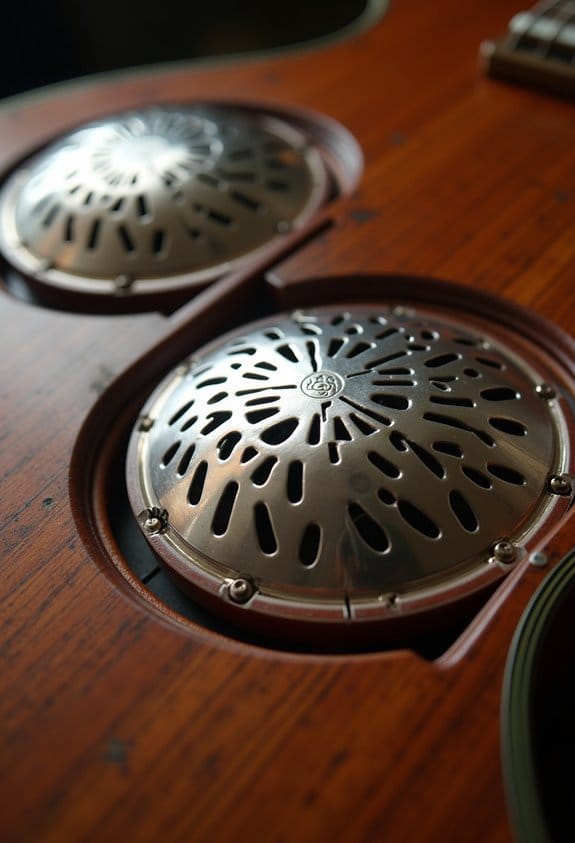
Hey there! So, let’s chat about how resonator cones really shape the sound of these amazing instruments. These cones are key players because they take the vibrations from the strings and transform them into those rich, resonant tones we love. For instance, if you’re strumming a resonator guitar, the material of the cone—whether metal or aluminum—can really change how bright or sustained your sound will be.
Now, when it comes to choosing between a single cone or a tri-cone, it’s all about the mood you want to create. A single cone usually gives you that warm, classic tone, perfect for blues. On the other hand, a tri-cone delivers a brighter, more complex sound, which can really shine when playing something lively like a bluegrass tune.
Also, have you heard about bridge configurations? Different setups like biscuit or spider bridges can actually change the feel and quality of sound. Spider bridges, for example, are known for distributing pressure evenly across the cone, which often results in a richer tone. Plus, the thickness of the cone can’t be overlooked! Thicker cones crank up the volume, while thinner ones add delicacy and nuance to your playing, perfect for that intricate fingerstyle. When selecting a resonator guitar, considering the body size and shape is essential as it influences the instrument’s resonance and comfort during play.
Choosing the Right Body Material for Your Resonator
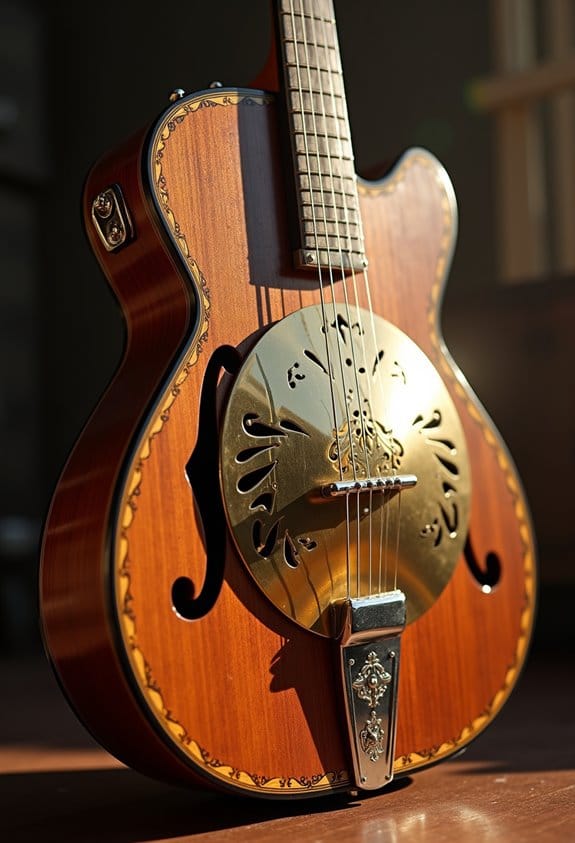
Choosing the right body material for your resonator guitar is super important, as it really shapes how the instrument sounds. If you go for a wooden body, like mahogany or spruce, you’ll get a warmer, richer tone that many people love for blues and folk music. Think about it this way: if you’re playing a soulful tune, that woodiness can add a lot of depth and emotion to your sound.
Now, if you’re leaning towards a metal body, like brass or aluminum, you’re in for some brighter, more resonant tones that are fantastic for loud performances. These materials can really project your sound, but keep in mind they can also be heavier, which might make long jam sessions a bit of a workout for your arms! So, when you choose a resonator guitar, consider your playing style—do you thrive on the warmth of wood or the clarity of metal? This preference will definitely steer your musical journey in the right direction.
Additionally, choosing components made from high-quality materials can enhance the longevity and tuning stability of your instrument.
Next, let’s explore how different shapes and sizes of resonators can further influence your sound!
Three Essential Techniques for Maximizing Your Sound
Maximizing sound on a resonator guitar can be such a rewarding journey! You know, it’s all about discovering the unique tones these guitars can produce. For starters, think about experimenting with different playing styles—like slide guitar or fingerpicking. When you try using a slide, for instance, you might uncover some rich, smooth tones that really bring your music to life.
Next, let’s talk about action height. This is all about how high your strings sit above the fretboard, and it can make a big difference in your playing experience. If you’re into slide techniques, you might want to raise the action a bit. This can help prevent pesky fret buzz that can get in the way of that sweet sound you want!
Another major point is string maintenance. Regularly changing your strings and trying out different gauges can completely transform your sound. Heavier strings, for example, can give you a louder, more sustained tone, while lighter strings can make it easier to play and bend notes. Plus, don’t forget to consider the body materials of your guitar—they significantly influence its tone and overall sound.
Additionally, enhancing your instrument aesthetically and structurally with high-quality binding strips can also affect both the feel and long-term durability of your resonator guitar.
Getting to know your resonator better will definitely enhance your playing experience, and who knows, you might just discover a whole new side of your music!
Which Music Genres Best Suit Resonator Guitars?
If you’re curious about which music genres suit resonator guitars, you’re in for a fun ride! These unique instruments really shine in blues, where their bright and sharp sound brings the perfect punch to expressive slide playing. Just listen to legends like Son House or more recent artists like Derek Trucks, and you’ll get what I mean—their sound is simply electric!
You’ll also find resonator guitars making a strong mark in bluegrass. Their lively, bright tones blend seamlessly with the fast-paced rhythms and intricate melodies typical of the genre. It’s fascinating how artists master the techniques to showcase the guitar’s ringing qualities.
Folk musicians are big fans of these guitars too, as they produce that rich, full-bodied sound that’s ideal for storytelling. Think of classic folk artists like The Kingston Trio; the resonator adds so much character to their tunes. In country music, slide techniques can really add depth and emotion to songs, helping to create that heartfelt vibe.
Lately, contemporary rock and pop musicians have started to play with resonator guitars, bringing their unique sound into fresh and exciting spaces. It’s always cool to see how different genres can intertwine! So, whether you’re jamming to blues or enjoying a bluegrass festival, there’s no denying that resonator guitars open up a world of musical possibilities. What about taking a closer look at some notable songs that feature these incredible instruments?
Moreover, much like the expressive tonal qualities prized in fretless bass guitars, resonator guitars thrive on their distinctive sound to enhance emotional expression across genres.
How to Maintain Your Resonator Guitar for Longevity
Hey there! If you own a resonator guitar, maintaining it is super important for keeping it sounding its best and looking great over time. Regularly cleaning the body and cone can help prevent any corrosion, which means you’ll get clearer, richer sound. You might want to try using a soft, dry cloth to wipe down the guitar after each jam session. It makes a big difference!
Storing your resonator guitar in a hard case is another smart move. It protects against humidity and temperature changes, which can damage the wood and other components. You’ll also want to check things like tuning and action every now and then. For instance, adjusting the action can make a huge difference in playability, making it easier to press down on the strings.
And don’t forget about changing strings regularly! Different gauges can really impact your sound. If you’re curious, try experimenting with a lighter set next time; you might find it enhances your guitar’s responsiveness. By following these simple care tips, you’ll keep your resonator guitar in fantastic shape for years to come. Selecting high-quality materials also ensures long-term durability and consistent performance. So, what’s next on your guitar maintenance checklist?
Frequently Asked Questions
Can Resonator Guitars Be Played With a Pick or Only Fingers?
Yes, we can play resonator guitars with both picks and fingers. Each style offers unique tone differences and sound dynamics. It’s all about personal preference, genre suitability, and experimenting with pick materials for volume control.
How Does Humidity Affect the Sound of a Resonator Guitar?
Humidity affects our resonator guitar’s sound by altering wood resonance, causing tonal changes. We must adjust for seasonal conditions to maintain ideal cone vibration and sound projection; proper care helps mitigate environmental impacts on our instrument’s performance.
What Types of Strings Are Best for Resonator Guitars?
For resonator guitars, it’s all about string choice—steel roundwound strings deliver a bright tone, while flatwound offers warmth. We’ve all got our tension preference, affected by playing style and gauge—nylon’s too soft!
Are Resonator Guitars Suitable for Beginners?
Yes, resonator guitars are suitable for beginners. Their versatility factors allow us to explore various playing styles. We can practice essential beginner guitar techniques while enjoying the unique sound production they offer, ensuring a rewarding learning curve.
How Do I Clean the Metal Cones of My Resonator Guitar?
To clean the metal cones of our resonator guitar, we recommend using appropriate cleaning tools, metal care products, and polishing methods. Regular maintenance enhances shine, prevents rust, and can restore vintage cones beautifully.


