As an Amazon Associate, we earn from qualifying purchases. Some links on this site are affiliate links at no extra cost to you. Our recommendations are based on thorough research and editorial judgment.


Understanding Delay and Echo: Time-Based Effects Explained

Delay and echo are fundamental audio effects that enhance our music, adding depth and texture. Delay creates rhythmic repeats of sounds, while echo produces multiple fading repetitions, creating spaciousness. We often see delay in genres like Hip-Hop to add bounce, and echo in ballads for emotional impact. By setting up these effects carefully in our DAW, we can fine-tune our mixes for clarity and atmosphere. Let’s explore how these effects can transform our sound even further!
Key Takeaways
- Delay creates rhythmic repetitions of sound, often enhancing clarity, while echo contributes to a spacious feel with fading repetitions.
- Delay is commonly used in genres like Reggae and Hip-Hop to add textural layers, while echo is effective in ballads for ambiance.
- Adjusting delay time and feedback settings helps create the desired rhythmic patterns without overshadowing the original sound.
- Echo effects should be managed carefully to maintain clarity while enhancing emotional impact in music or soundtracks.
- Utilizing multi-effects processors and proper EQ on effect buses is essential for achieving balance and clarity in audio mixing.
What Are Delay and Echo Effects?

You may be interested


Hey there! Let’s chat about delay and echo effects in audio production – they’re super cool tools that can really change how we perceive sound. Delay is all about creating a single repeat of the original sound, which stays clear and at the same volume. Imagine a drummer hitting a snare, and you hear that rhythmic hit followed by a quick repeat – it adds a nice bounce to the music and makes everything feel more lively.
Now, echo is a bit different. It takes that original sound and creates multiple instances that gradually fade away, giving your track an airy and spacious feel. Think about being in a big hall and shouting; your voice bounces back at you in soft waves. That’s the kind of vibe echo brings into music. Many delay pedals, such as analog delays, use bucket brigade technology to produce warm and natural repeats that enhance this effect.
Understanding the Differences Between Delay and Echo

Hey there! When it comes to audio production, it’s super important to understand the differences between delay and echo because they each play distinct roles in shaping sound. So, think of delay as a single repeat of your original sound, like a quick bounce back. For instance, if you strum a guitar chord and add a short delay, you’ll hear that chord come back to you just a moment later, keeping the clarity intact.
Now, on the flip side is echo, which gives you multiple repeats that gradually fade away, creating a more spacious feeling. Imagine shouting into a canyon and hearing your voice bounce off the walls. That’s what an echo does! Audio engineers often use delay to add rhythm—like in a snappy pop song—while echo tends to fill out the sound, making it feel more expansive, like in ambient music.
Getting these effects right can really elevate your tracks, but using the wrong one at the wrong time? That can muddy things up. Once you grasp how each effect works, you’ll have a fantastic toolset to enhance your audio projects! Next up, let’s talk about how to apply these effects effectively in your mixes.
Loopers with high audio quality can faithfully reproduce delay and echo effects, preserving the nuances of your original sound.
Key Characteristics of Delay Effects

Hey there! Let’s talk about delay effects in audio production – they’re a fantastic way to add depth and texture to your sound. Essentially, delay effects take the original audio signal and repeat it after a short period, which is usually measured in milliseconds. This can create some really cool auditory experiences.
One of the standout features of delay effects is the feedback parameter. This allows you to set how many times the sound repeats, leading to unique soundscapes. For example, if you’re working with vocals, a slapback delay can give them that thick, lush quality, while a longer delay can introduce interesting rhythmic patterns in genres like pop or electronic music. When combining these effects with distortion pedals that feature true bypass functionality, musicians can preserve the clarity of their tone while adding rich textural layers.
Key Characteristics of Echo Effects
Hey there! Have you ever noticed how echo effects can completely change how we experience sound? It’s pretty fascinating—when you hear an echo, you’re essentially listening to the same sound repeated back to you after a brief moment, and each time it fades a little more. This softening effect creates an incredible sense of depth and space that really pulls you into the music.
Think about places like canyons or large concert halls where echoes are really pronounced. Remember that part in a movie where the music swells right before a big moment? That’s often thanks to echo effects, which can make scenes feel epic and immersive. They’re not just for dramatic effect though; in genres like ambient music, echoes help create an entire mood that transports you to another world. Many modern amplifiers include built-in effects that can replicate echo and delay sounds without the need for external pedals.
Real-World Uses of Delay in Music Creation
Hey there! You know how in music, delay effects are like the secret sauce that really spices things up? It’s all about shaping the sound and creating those rich, textured layers we hear in so many genres. Take Reggae and Hip-Hop for example; artists use delay to let their rhythms breathe, making the groove feel extra alive. Beyoncé is a fantastic case; she layers her vocals with delay to add complexity and depth, creating a captivating sound that pulls you in.
Now, let’s talk about genres like Folk, Country, and Blues. They often use something called slapback delay. It’s a quick echo that adds energy to melodic lines without losing that original vibe. Imagine a guitar solo with a slapback effect—it instantly makes the notes pop! When you tweak the timing—maybe to around 250 ms—you can create a unique texture that enhances the overall feel.
Modern digital delay pedals are pretty cool too; they have features like tap tempo and multiple modes which give you control over how many echoes you want and how pronounced they are. So when you sync those echoes with your playing, it can really amp up the impact of your performance. Overall, delay is a powerful tool that can transform your music, making it more vivid and dynamic. Speaking of transformation, let’s explore how other effects can further enrich your sound! For guitarists looking to experiment with delay and other effects, incorporating guided practice routines can accelerate skill development and deepen understanding.
Recommended Products

Multi-FX Reverb Guitar Pedal with 12 Reverb Types

Recreates the sound of the 1963 Fender Reverb via COSM technology

Uses eight MN3005 bucket brigade chips for independent delays and up to 1200ms of delay time and True stereo in/out analog delay
Creating Ambiance With Echo Effects
You know, there’s something really captivating about using echo effects in music production. They can transport us to a whole new world! Echo effects create this amazing ambiance that feels both vast and immersive. When sounds get repeated softly and gradually fade, it adds this wonderful depth to what we’re listening to. Just think about how a powerful vocal performance feels when it has that extra layer—it’s like the artist is right there, pulling us right into the song’s emotions.
We often use echo to mimic how sound bounces around a space, like a voice echoing in a big hall. This layering of sounds enhances the overall experience. For instance, if you’re working on a ballad, a gentle echo can create that dreamy quality, while a dramatic track can benefit from echo to build tension before a big moment. It’s really all about crafting those unique soundscapes that keep listeners hooked. And when you think about it, echo is just one tool we can use to create music that truly resonates with people. Want to explore more sound techniques? There’s a whole world of effects out there waiting to be discovered! Using true bypass switching in effects pedals helps maintain the clarity of these sounds by preserving signal integrity.
Recommended Products

60 Watt 2-channel acoustic amplifier with amazing vocal processing

Capture the most authentic vintage reverb, delay, echo, and spring reverb effects in a stereo guitar pedal bundle

Analog Tube Drive Circuit
How to Set Up Delay Effects in Your DAW
When you’re creating those captivating soundscapes we all adore, setting up delay effects in your Digital Audio Workstation (DAW) is super important. It’s one of those techniques that really brings your music to life. Start by adding a delay plugin to your track; make sure the BPM matches your song to keep everything in sync. For example, try using a 1/4 note delay to create that rhythmic echo that dances around your main sound.
Once you’ve got your delay set up, play around with the feedback settings. This adjusts how many times the echo repeats, which can add so much character to your sound. If you run the delay on an auxiliary bus, it keeps your effects separate from the original track, making it much easier to mix later on.
Don’t overlook the pre-delay setting, either! This feature creates some space between the original sound and the delayed echoes, giving your mix a nice sense of depth. And to avoid that muddy feeling in your mix, use EQ on the delay bus to cut out any unwanted frequencies—this way, the echoes blend beautifully with the rest of your audio. With these tips, you’re well on your way to crafting a rich, layered sound, setting the stage for your next musical adventure! High-quality delay effects are often found integrated into multi-effects processors that offer versatile sound manipulation.
Fine-Tuning Echo and Delay Effects
You know, there’s something really fascinating about getting the balance just right with echo and delay effects. Essentially, it’s all about tweaking the delay time, feedback, and mix control until it sounds perfect. If you crank up the feedback too much, you can end up with a messy sound that overshadows your music. Instead, try to find that magic spot where the echoes enhance your sound without drowning it out.
Another trick is using EQ to cut out any low-end frequencies. This helps keep your mix clear and focused. Have you ever played around with automation? It’s pretty cool because it lets you adjust settings in real-time. For example, you can gradually introduce reverb during a build-up, which adds a rich, dynamic layer to your track.
And let’s not forget about pre-delay settings! Adjusting this can create a sense of space since it separates your original sound from the echo. Imagine setting your delay just a fraction of a second after the original note; that little tweak can make the sound feel much further away. With a few of these techniques, you’ll be on your way to mastering echo and delay effects. So, what do you think about adding some reverb next?
Using a quality volume pedal, like the Ernie Ball MVP, can also help you smoothly control your signal dynamics for better effect blending.
Recommended Products
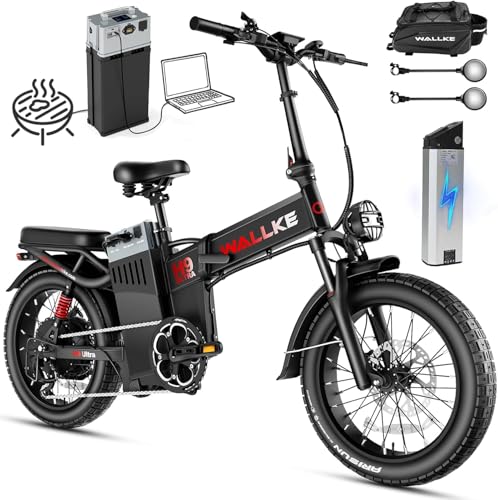
[2-in-1 Ebike & Portable Power Station] Equipped with a 2640Wh battery, this e-bike not only powers your ride but also works as a mobile energy hub (600W AC/DC Output). Charge your phone, or camping gears, anywhere, anytime. It also serves as an emergency home backup power. One charge keeps you riding for days: 70–120 miles (up to 180 miles in PAS mode). Whether commuting, camping, or exploring, this portable power station ebike is your trusted companion. Extra 22Ah Battery will sent July 15th.

Two split points increase flexibility to play three different sounds across the keyboard.
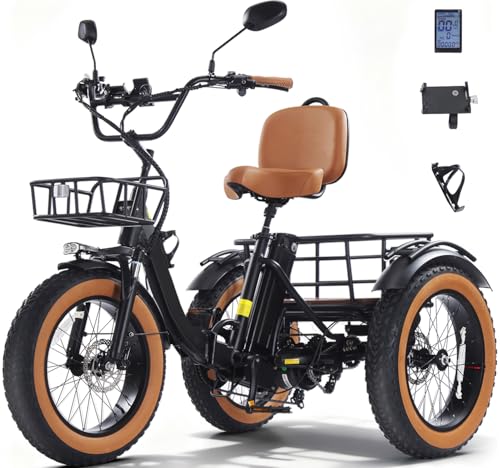
𝙋𝙤𝙬𝙚𝙧𝙛𝙪𝙡 𝙈𝙤𝙩𝙤𝙧 & 𝙋𝙧𝙚𝙘𝙞𝙨𝙞𝙤𝙣 𝘾𝙤𝙣𝙩𝙧𝙤𝙡 – The KAKIGO electric tricycle features an Peak 1350W high-efficiency rear motor ,peak torque can reach 115NM with a rear differential system, delivering strong performance for hills, city streets, and cargo. Top speed is 20 mph, (factory-limited to 15 mph for safety). The differential allows rear wheels to rotate at different speeds, ensuring smoother turns, better traction, and stable handling.
What Are Best Practices for Using Echo and Delay?
Hey there! So, let’s talk about how using echo and delay can really take your music to the next level. When you add echo, think of it as creating a soft, repeating sound that can totally enhance the atmosphere of your track. For instance, if you’re working on a ballad, a little echo can give it that emotional depth that really pulls at the heartstrings.
Now, with delay effects, clarity is key. You want to hear the original sound clearly, so make sure you tweak the feedback and mix controls. If the delay is too loud, it can overshadow the main track. For example, if you’re layering vocals, keep the original vocal track at a high volume while adjusting the delayed voices to complement rather than compete.
One neat trick is to set up your delay as an auxiliary effect in your DAW. This helps avoid any latency issues and gives you more control while mixing. Plus, using EQ on your delay bus is super helpful for cutting out any unnecessary low or high frequencies, keeping your mix clean.
Finally, don’t hesitate to play around! Try different delay times and feedback settings. You can even use automation to make your sounds evolve throughout the song, adding intrigue and keeping the listener’s interest. Mixing is such an exciting journey, isn’t it? Let’s explore more effects that can complement what we just discussed!
For live looping and layering your delay effects seamlessly, consider integrating a looper pedal to expand your sound creatively.
Recommended Products

Bundle Includes: Korg PA600 Professional Arranger Keyboard, Large Keyboard Bench, Keyboard Piano Style Sustain Pedal, Closed-Back Studio Monitor Headphones, and X-Style Keyboard Stand

WAVE SEQUENCING 2.0: It separates the timing, the sequence of samples, and the melody, so that each can be manipulated independently. It also adds new characteristics, including shapes, gate times, and step sequencer values. Each of these is a 'Lane', and each Lane can have a different number of steps, and its own start, end and loop points. Every time the sequence moves forward, the individual Lanes are combined to create the output.

Item Package Dimension: 23.97L x 17.49W x 7.49H inches
Frequently Asked Questions
Can Delay and Echo Be Used Simultaneously in a Mix?
Absolutely, we can use delay techniques and echo blending simultaneously in a mix. It enhances rhythm, adds creative effects, and enriches depth perception, making our sound design a powerful mixing strategy for listeners’ enjoyment.
How Do I Choose Between Delay and Echo for My Sound?
When choosing between delay types and echo styles, we should consider our sound design goals. Recording tips and effect combinations can enhance our artistic choices, allowing for unique creative applications in every project.
What Gear Is Needed to Use Delay and Echo Effects?
To dance through sound, we’ll need delay pedals, analog delays for warmth, and digital delays for precision. Let’s add effect processors and studio equipment, enhancing our mixing techniques with delightful sound modulation and mesmerizing echoes.
Are There Digital Plugins That Replicate Classic Delay and Echo Hardware?
Yes, we’ve found several digital plugins that replicate vintage hardware, featuring user-friendly interfaces. While sound quality may vary, exploring plugin compatibility and workflow efficiency tips enhances our mixing techniques, making digital plugin comparisons essential for achieving authentic delay and echo effects.
How Do Different Musical Genres Use Delay and Echo Differently?
How do we even start to explore the genre-specific uses of delay and echo? Each genre employs unique delay techniques and echo variations, enriching live performances and studio productions, shaped by their historical context and creative applications.


