As an Amazon Associate, we earn from qualifying purchases. Some links on this site are affiliate links at no extra cost to you. Our recommendations are based on thorough research and editorial judgment.

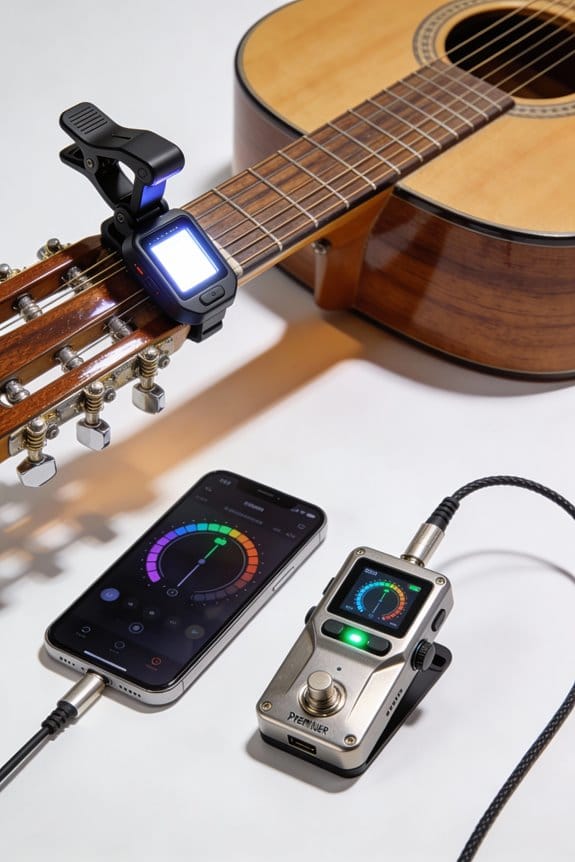
Understanding Guitar Tuner Types: Clip-On, Pedal, and App-Based

Understanding guitar tuner types is essential for great sound. Clip-on tuners are compact and perfect for noisy places, but they sometimes lack precision. Pedal tuners, favored by electric guitarists, offer superb accuracy and mute the signal while tuning. App-based tuners are portable and convenient but can struggle in loud environments. Each type has its pros and cons, so let’s explore how to choose the right one to fit our needs and elevate our playing experience.
Key Takeaways
- Clip-on tuners are affordable, portable, and ideal for noisy environments, but may lack precision in accuracy compared to pedal tuners.
- Pedal tuners are highly accurate, mute the signal while tuning, and often include additional features like metronomes but require power sources.
- App-based tuners are convenient and accessible on smartphones, but may struggle with background noise and limited features in free versions.
- Choosing a tuner depends on performance settings, type of guitar, personal preferences, and typical noise levels in playing environments.
- Pedal tuners are typically favored by electric guitarists, while clip-on and app-based options suit different tuning needs and scenarios.
Why Choosing the Right Tuner Matters for Guitarists

You may be interested



Hey there! You know, when it comes to guitarists, choosing the right tuner really makes a huge difference in how we sound. There are different types of tuners out there, and each one has its perks. For instance, if you’re playing live, a tuner pedal can be a lifesaver because it lets you tune your guitar without any sound escaping, so your audience hears nothing but your music.
Now, if you find yourself in a noisy place, clip-on tuners are super handy. They pick up the vibrations of your guitar to help you tune accurately, even when there’s a lot going on around you. For those just starting out, using an app-based tuner can be great for quickly accessing standard or alternate tunings, but keep in mind that they don’t always work well when things get loud. Many clip-on tuners feature a 360-degree swivel mechanism, allowing you to adjust the display for optimal viewing angles in any situation.
Clip-On Tuners: Pros and Cons Explained
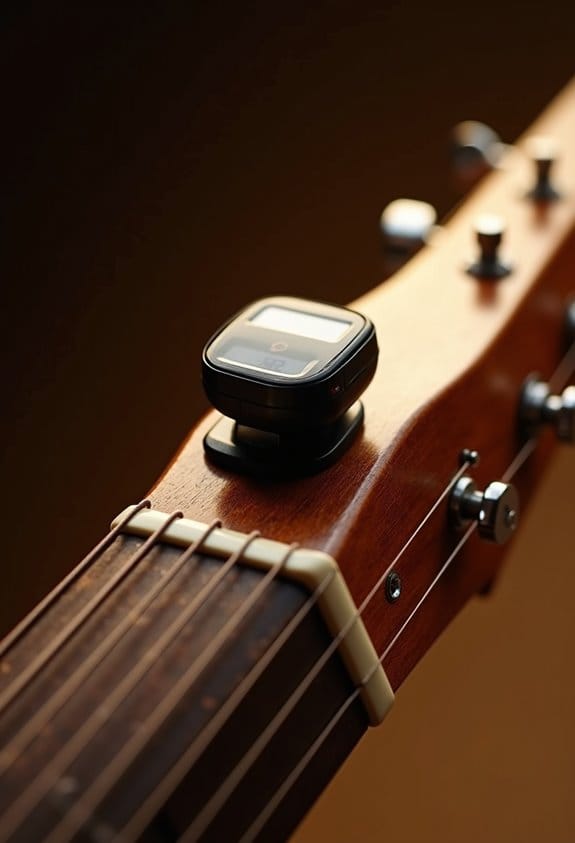
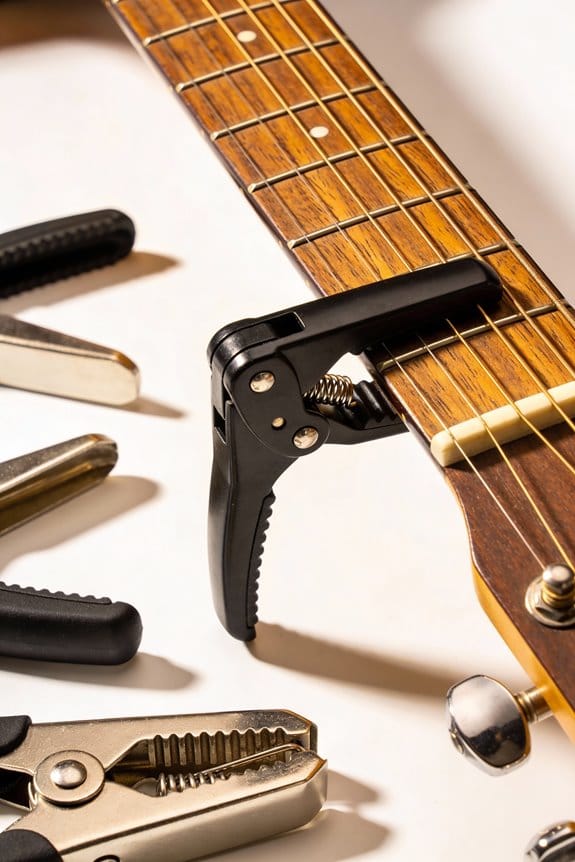
Hey there! If you’ve ever wondered about clip-on tuners, you’re not alone. They’re a popular choice for guitarists looking to make tuning easier and more precise. These handy little devices attach right onto your guitar’s headstock and pick up the vibrations, so you can tune your strings accurately, even when you’re in a noisy bar or during practice.
One of the best things about clip-on tuners is how affordable they are—most models are under $35, which means you don’t have to break the bank to keep your guitar sounding its best. Plus, they work pretty quickly too, usually getting you all set in about 10-20 seconds! However, they do have some downsides. For example, in certain situations, they might not be as spot-on as pedal tuners, and while they handle typical background noise well, really intense vibrations can throw them off a bit. Unlike pedal tuners, clip-ons typically lack features like true bypass circuitry which helps preserve tone during tuning.
Benefits of Using Guitar Pedal Tuners
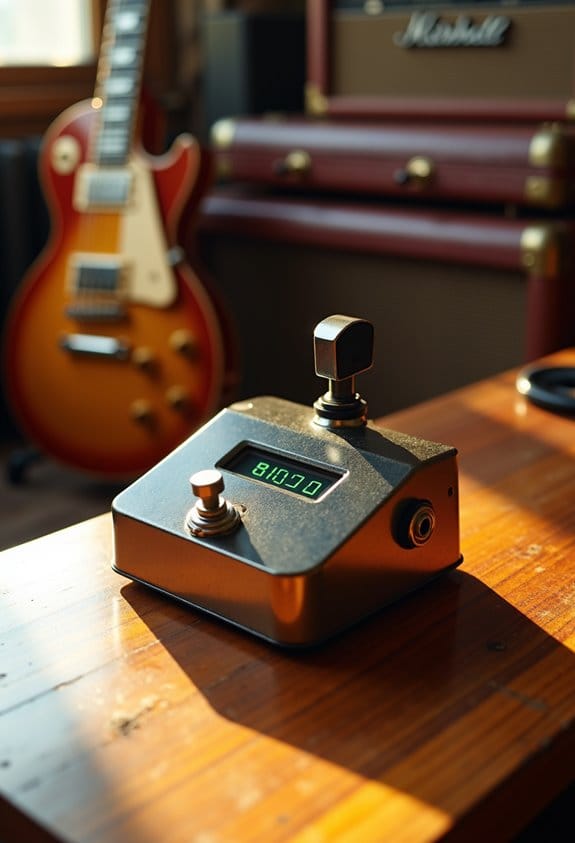
You know how important it is to have your guitar sounding just right, right? Well, using a pedal tuner can really make a difference in how you tune. These tuners are super accurate, which is why many electric guitarists swear by them. One of the coolest features is that they can mute your signal while you adjust your tuning, so you can make those changes quietly even during a performance.
Plus, most pedal tuners have clear displays, which means you can easily see your tuning status, even if you’re in a dimly lit venue. Many of them also come with built-in metronomes and different tuning modes, which add even more versatility to your playing. And let’s be honest, since they’re foot-operated, you can quickly make adjustments without having to stop playing – it’s all about keeping the flow, right? Additionally, choosing tuners and footswitches with durable metal construction ensures they withstand the rigors of live performances and frequent use.
Are App-Based Tuners Worth It?
Hey! So, are app-based tuners really worth our time? Honestly, they’re pretty convenient. These tuners use your smartphone’s microphone to detect pitch, which makes them super accessible, especially for those of us who are just picking up the guitar. For example, apps like GuitarTuna and Fender Guitar are free and do a good job in quiet places, but you might run into trouble if there’s background noise around.
Now, while these apps excel at standard tuning, some free versions can limit you if you want to explore alternate or drop tunings. If you’re looking for more features like a metronome or preset tunings, you can usually get those for a small fee. Just keep in mind, those pesky notifications could pop up and distract you while you’re trying to focus on tuning.
In the end, app-based tuners are a solid option for quick and easy tuning—particularly if you’re just starting out. But if you’re serious about honing your skills, you might want to consider other methods too, which we can chat about next! For instance, choosing the right acoustic guitar pickup type can also impact your guitar’s overall sound and tuning experience, especially when performing live with magnetic or piezo pickups.
How to Select the Right Tuner for Your Needs
Choosing the right tuner for your needs can feel a bit overwhelming at first, but it doesn’t have to be! Start by considering where you usually play. If you’re often in a noisy environment, like a jam session or a bustling café, a clip-on tuner is a great choice because it picks up the vibrations of your guitar rather than the surrounding sounds. On the other hand, if you play electric guitar, pedal tuners are fantastic, especially during live performances. They allow for silent tuning, so you can make adjustments without disturbing the flow of the music.
Next, think about how frequently you find yourself tuning up. If it’s something you do regularly, say before every gig or practice, investing in a durable pedal tuner is likely a smart move. It can handle the wear and tear of frequent use and often has features that make the tuning process quicker and simpler. For example, some pedal tuners have a bright LED display that’s easy to read on a dark stage.
Lastly, take a look at the features that matter most to you. Some tuners come with advanced options, like polyphonic tuning, which allows you to tune multiple strings at once – super helpful if you’re in a hurry! Then there are clip-on tuners that might even include a metronome, making them versatile for practice sessions. Understanding these options makes it easier to find the perfect tuner that fits your style and needs. So, think about how you play, where you play, and what features will help you enhance your musical journey! Using a direct box can also improve your signal clarity by converting unbalanced signals to balanced outputs, helping maintain tone quality during performances or recordings with a balanced output connection.
Tuning Tips for Accurate Performance
Tuning our guitars accurately is super important for a great performance, and I’ve got some simple tips that can make the process a breeze! First off, try to find a quiet spot when you’re tuning. Background noise can really mess with your ability to hear the pitches clearly.
As you tune, always remember to tune up to the pitch. This means if you’re a little flat, tighten the string until it hits the right note. It helps keep the string tension consistent, which means your guitar will hold its tuning longer. And don’t forget to check your tuning regularly; sudden changes in temperature or humidity can throw off your strings, especially if you’re playing outdoors.
Investing in a good tuner can really streamline your tuning process. If you’re in a quiet place, a pedal tuner is perfect because it isolates your signal and cuts out background noise. On the other hand, if you’re in a loud environment, a clip-on tuner can help you tune on the go without distractions. And while having a tuner is great, practicing tuning by ear can really sharpen your musical skills.
It’s a fun way to get more in touch with your instrument! Speaking of that, let’s explore some simple exercises to improve your ear training further. Many modern devices also offer auto tuning detection, making the process even easier and more precise.
Common Questions on Guitar Tuners
Hey, have you ever thought about what kind of guitar tuner might be the best fit for you? It can be a bit overwhelming since there are so many types out there, and each has its pros and cons. For example, clip-on tuners are super handy in noisy spots because they attach right to your guitar’s headstock and pick up the vibrations of the strings. I’ve found them especially useful jamming with friends, where background noise can be distracting.
Now, if you play electric guitar and often perform, you might want to consider a pedal tuner. These let you tune silently, so you don’t have to worry about messing up in front of an audience. Just keep in mind they require a power source, which means having an extra battery handy or plugging into your pedal board.
And then there are app-based tuners that use your smartphone. They’re convenient if you’re on the go, but just a heads up—they might not be as accurate in louder settings, like a busy café. So think about where you’ll be playing most often and the type of guitar you have when choosing between clip-on tuners, pedal tuners, or app-based options. Once you figure that out, you can really enhance your playing experience! Guitarists who perform live often benefit from using equipment with low latency to ensure seamless sound and timing.
Frequently Asked Questions
What Is the Difference Between Clip-On Tuner and Tuner App?
The clip-on tuner offers digital accuracy and faster tuning speed, while the tuner app provides portability advantages but may struggle in noisy environments and be slower. We prefer clip-ons for reliable, quick tuning sessions.
What Are the Different Types of Guitar Tuners?
We’ve got various guitar tuners, including digital tuners, analog tuners, and smartphone tuners. Each type serves unique purposes, catering to our different playing settings and needs. Which one’s right for us? Let’s explore.
What Is C2 G2 D3 A3 E4 G4?
C2, G2, D3, A3, E4, and G4 represent guitar pitch notation for various notes, helping us achieve the standard tuning reference. These notes correspond to specific musical note frequencies essential for tuning our guitars accurately.
What Is the Difference Between Clip-On Tuner and Pedal Tuner?
The difference lies in portability options and tuning accuracy. Clip-on tuners suit casual settings, while pedal tuners excel in performance settings, delivering precise tuning and silent operation, which we appreciate during gigs.