As an Amazon Associate, we earn from qualifying purchases. Some links on this site are affiliate links at no extra cost to you. Our recommendations are based on thorough research and editorial judgment.


Active vs Passive Pickups: What’s the Difference?

When we talk about active vs. passive pickups, it’s all about how they convert string vibrations into sound. Active pickups use a battery-powered preamp for a high-output, punchy sound, making them great for genres like metal. Conversely, passive pickups rely on magnets and wire without batteries, delivering warm, organic tones that shine in blues and rock. Each type affects our tone and expression differently, and exploring their unique characteristics will help us find the right fit for our music.
Key Takeaways
- Active pickups require a battery and deliver a higher output, ideal for maintaining clarity under distortion in high-gain genres like metal.
- Passive pickups use magnets and copper wire without batteries, providing warm, organic tones suited for blues and classic rock styles.
- Active pickups possess built-in preamps that enhance signal strength and reduce noise, resulting in a more compressed and precise sound.
- Passive pickups react to a player’s technique, delivering a wide dynamic range and rich midrange tones that can express emotional nuances.
- Testing both pickup types in a music setting is essential, as personal playing style and tonal preferences significantly influence the best choice.
What Is a Guitar Pickup and How Does It Work?

You may be interested


Hey there! Let’s chat about guitar pickups, a key component that really brings your guitar to life. In simple terms, a guitar pickup converts the vibrations of the strings into an electric signal, allowing you to amplify those sounds.
There are mainly two types of pickups: passive and active. Passive pickups are pretty straightforward; they use a magnet wrapped in copper wire and don’t need a battery. These pickups work by creating a magnetic field that reacts to the vibrations from the strings, generating an electrical signal that gets sent to your amp. For example, many classic rock guitars use passive pickups like the popular single-coil or humbucker designs, each offering distinct tones.
Active pickups, on the flip side, have a built-in preamp that runs on a battery. This helps boost the signal, giving you higher output and reducing noise interference. A great example is EMG pickups, which many metal guitarists love for their strong tones and clarity.
Many active and passive pickups incorporate vacuum wax potting to reduce unwanted noise and feedback during high-gain playing.
What Are Passive Pickups? Key Characteristics Explained

Hey there! Let’s chat about passive pickups. You know, those guitar pickups that don’t require any battery power to work. They work by picking up the vibrations from the strings using coils of wire around permanent magnets. When your strings vibrate, they create a magnetic field that generates an electrical signal. Pretty cool, right?
One of the best things about passive pickups is the sound they produce. They usually have a high-impedance output, which lends to a rich and organic tonal quality that many guitarists love. You can really hear the nuances in your playing, giving you that warm, inviting sound. For example, pickups like the Seymour Duncan JB or the DiMarzio Tone Zone are favorites among many players for their fantastic tonal characteristics.
However, keep in mind that passive pickups can sometimes deliver a weaker output compared to active pickups, which tend to be more powerful. If you’re performing live and need that extra boost, you might want to consider using a boost pedal to amp up your sound. It’s all about finding what works best for you and your style! So, whether you’re going for that classic rock tone or something a bit more unique, passive pickups can definitely be a great choice. Many passive pickups use Alnico 5 magnets to achieve a vintage-inspired vintage tone with clarity and warmth.
How Active Pickups Work: Key Features Explained
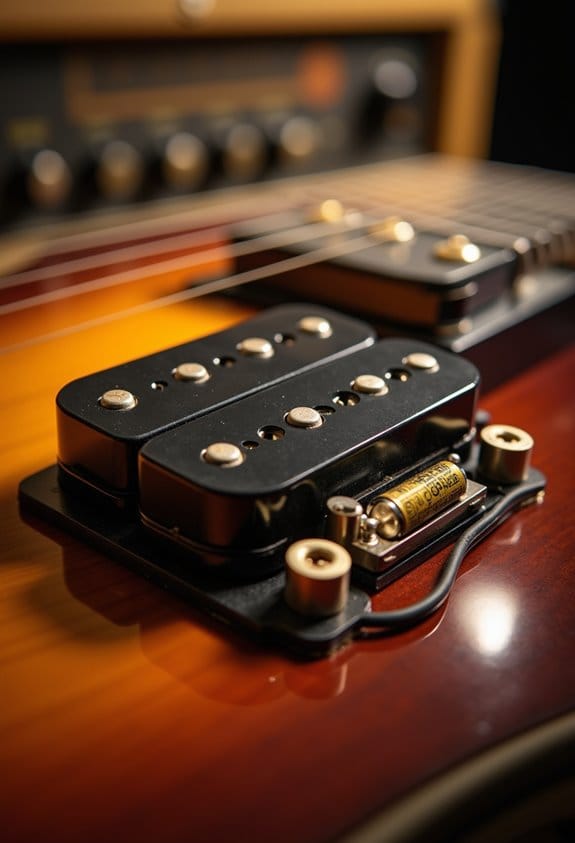
Active pickups are really cool components that change how we capture guitar sound! Unlike passive pickups, which don’t need any extra power, active pickups require a power source like a 9-volt battery. This little battery powers a built-in preamp that boosts the signal from the pickup, giving you a punchier output and a more reliable tone.
Now, here’s a neat detail: active pickups usually use a low-output passive pickup at their core but amp up its signals for a better performance. The design means there are fewer wire wraps around the magnet, which helps cut down on unwanted noise. This feature is super helpful when you’re playing in high-gain scenarios, like when you’re rocking out with heavy distortion. For example, think of metal guitarists who need clarity in their sound even at high volumes.
Many players appreciate how active pickups can handle distortion without getting muddy and allow for some tonal tweaking to get just the right sound. So, if you’re looking to refine your guitar tone and keep it crisp under pressure, active pickups might just fit the bill! It’s fun to explore how different gear can change your sound, and that takes us to the next exciting subject: pedal effects and their impact on tone. Using amplifiers with built-in effects and amp characters can further enhance the tonal versatility that active pickups offer.
Comparing Tone Delivery Between Active and Passive Pickups
Hey there! You know, when we talk about how tone gets delivered in music, the differences between active and passive pickups really pop out, right? Active pickups tend to have a higher output, which makes them perfect for those beefy, high-gain sounds. They do an awesome job at keeping everything clear and reducing noise, thanks to their built-in preamps. This means you can tweak your tone more easily and dial in exactly what you’re looking for.
Now, if we flip the coin to passive pickups, they offer this really warm, organic tone that many guitarists love. Think of it this way: their unique qualities can change based on how you play, so you can express different emotions in your music. For instance, a simple strum can sound rich and full, or a gentle pick can create a soft, airy vibe. While active pickups are great for clarity and cutting through a mix, passive pickups bring a lot of character and warmth that you’ll often hear in classic guitar riffs, like those from Eric Clapton or Jimi Hendrix. Additionally, passive pickups often have lower noise levels compared to active ones, making them a versatile choice across many genres.
Frequency Response of Active vs. Passive Pickups
Hey there! Let’s chat about pickups, specifically how the frequency response of active and passive pickups can really shape your sound. You see, active pickups have a built-in preamp that gives them a wider frequency range, letting you dial in your tone more precisely. This means you can get those crisp, clear high-end notes, which is perfect when you’re cranking up the gain. On the flip side, passive pickups have a warmer, richer midrange, but sometimes their high frequencies can get a bit muddy because they’re typically wound more.
Another interesting thing is how these pickups behave at different volumes. Active pickups keep their frequency response steady, so you won’t lose that clarity as you turn up or down. Think about when you’re jamming with a band; you can count on your sound staying consistent. Passive pickups, though, can shift in tone depending on how hard you play. So, if you’re going for a heavy metal crunch, you might prefer the defined bass from an active pickup. But for blues or classic rock where warmth matters, passive could be the way to go. Depending on your style or genre, your choice in pickups will definitely shape your overall sound! Using equipment with precise tuning control can further enhance how your tone translates on stage.
Do Active Pickups Really Need Batteries?
So, let’s talk about pickups for guitars, especially active pickups. You might be wondering, do active pickups really need batteries? Absolutely! They require an external power source, like a 9-volt battery, to get going. This battery powers a little preamp inside the pickup that boosts your signal, giving you that crisp, clear tone that many guitarists crave. If the battery’s dead, your guitar is basically silent—no sound at all.
Now, it’s pretty cool that some newer models, like the Fishman pickups, use rechargeable lithium-ion batteries. These can even be charged via USB, which is super convenient! Just remember to keep an eye on your battery life, and it’s always a good idea to have a spare on hand. You really don’t want to find yourself without sound during a performance.
Unlike passive pickups that don’t rely on batteries and get their tone from the guitar’s natural resonance, active pickups need that electric boost to deliver that consistent sound you love. So, knowing how these pickups operate helps you make a more informed choice when setting up your gear. Speaking of setup, let’s explore how tone woods can affect your sound. Additionally, considering the compatibility considerations of your guitar hardware can ensure your pickups and related accessories function seamlessly together.
Dynamics and Sensitivity: Impact on Sound Quality
Hey, have you ever thought about how different types of guitar pickups – active and passive – affect the sound quality? It’s pretty fascinating! So, while both types help turn string vibrations into electrical signals, they really shape our sound in different ways, especially when it comes to dynamics and sensitivity.
Passive pickups are known for their wide dynamic range. That means they can really capture the nuances of your playing. For example, if you gently strum a chord, it might ring out warmly, but if you dig in with more force, you’ll get a much louder, aggressive sound. It’s this kind of responsiveness that lets you express yourself more freely. Lots of guitarists say passive pickups have an organic tone that feels alive, which is perfect for everything from smooth jazz to gritty rock.
On the other hand, active pickups have this built-in preamp, which creates a more compressed sound. This means you’ll get a consistent output, which can be a blessing in high-gain situations, like metal, where clarity matters. However, it might not respond to your touch in the same way a passive pickup would.
Choosing the Right Pickup for Your Music Style
When you’re trying to figure out the right guitar pickup for your music style, it can feel a bit overwhelming, right? The first step is really to consider the genre you’re into. For instance, if you’re into metal or hard rock, you might want to check out active pickups. They pack a punch with higher output, which means they work great with high-gain amps. So, if you really enjoy that heavy distortion at high volumes, active pickups could be your best friend.
Now, if you’re leaning more towards blues or classic rock, passive pickups might be the way to go. They generally give you that rich, warm tone and are fantastic for capturing those subtle nuances that make your sound stand out. Think of it like this: if you love the gritty, soulful vibe of a classic Eric Clapton track, passive pickups will help you nail that sound.
It’s a good idea to test both types of pickups in a setting where you usually play. Try them out with your gear to see which one resonates more with your style. You might be surprised by how much the right pickup can influence your sound! This leads nicely into the next step: once you’ve found your pickups, exploring amp settings and effects can take your tone to the next level.
Understanding the impact of pickup resistance is also key, as it greatly affects the brightness and fullness of your tone.
Final Thoughts on Guitar Pickup Choices
Hey there! So, let’s talk about guitar pickups—these little wonders can really shape our sound. You know, when we choose between active and passive pickups, it’s not just about the technical stuff; it’s really about what suits our playing style and musical vibe.
Active pickups have built-in preamps that give us a pretty consistent output, making them a solid choice, especially for heavier genres like metal where you want that full, punchy sound. Imagine cranking up your distortion without losing clarity—that’s what active pickups do! On the flip side, if you’re into a warmer, more vintage sound, passive pickups might be your jam. They tend to capture the nuances of your playing, giving a more organic feel—you can really hear the difference when you play blues or jazz.
An added bonus is that active pickups often feature noise reduction technology, which helps deliver a cleaner sound even in noisy environments.
In the end, it’s all about what feels right for you. Why not try both types next time you’re at a music store? Plug in and play a few riffs with each one. You’ll find out what resonates the most with your sound! And once you’ve settled on your pickups, we can chat about how to best tweak your amp settings for that perfect tone.
Frequently Asked Questions
What’s Better, Active or Passive Pickups?
Choosing between active and passive pickups depends on our preferences. Active pickups offer high output levels and clarity for heavy genres, while passive pickups provide warmth and tonal versatility with lower maintenance requirements for a more dynamic sound.
What’s the Point of Active Pickups?
Active pickups boost sound clarity and reduce noise, making them a favorite for those needing tonal versatility. Their active circuits enhance performance, and with good battery life, they deliver consistent sound in various setups.
Are Humbuckers Active or Passive?
Humbuckers can be both active and passive, depending on their design. We notice that their wiring differences affect output and tonal characteristics, so guitarist preferences often guide their choice based on maintenance needs and style compatibility.
Are Telecasters Active or Passive?
Telecasters typically feature passive pickups, which give us that iconic sound cherished by many. However, with various Telecaster wiring options and modifications available, we can explore active pickups for a different tonal range if desired.


