As an Amazon Associate, we earn from qualifying purchases. Some links on this site are affiliate links at no extra cost to you. Our recommendations are based on thorough research and editorial judgment.

How to Spot and Prevent Fret Wear on Your Guitar

To spot and prevent fret wear on our guitar, we should regularly inspect the frets for flat spots or grooves, especially under bright light. Signs of wear include buzzing sounds or dull notes. To prevent damage, we can wipe down the fretboard and strings often, use lighter gauge strings, and vary our playing techniques. If we notice significant grooves or if fret height drops below 0.020 inches, it’s time for a fret dressing or replacement. There’s so much more to learn about maintaining our instrument!
Key Takeaways
- Inspect frets under bright light for flat spots, grooves, or dull notes indicating wear that requires attention.
- Regularly wipe down your fretboard and strings to minimize grime accumulation and protect frets.
- Use lighter gauge or coated strings to reduce wear and prolong fret life while playing.
- Vary your chord shapes and finger placements to evenly distribute wear across frets.
- Schedule periodic professional setups and maintenance every 1-2 years to ensure optimal fret condition.
How to Spot Fret Wear on Your Guitar

You may be interested
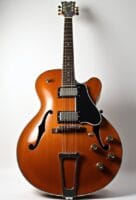


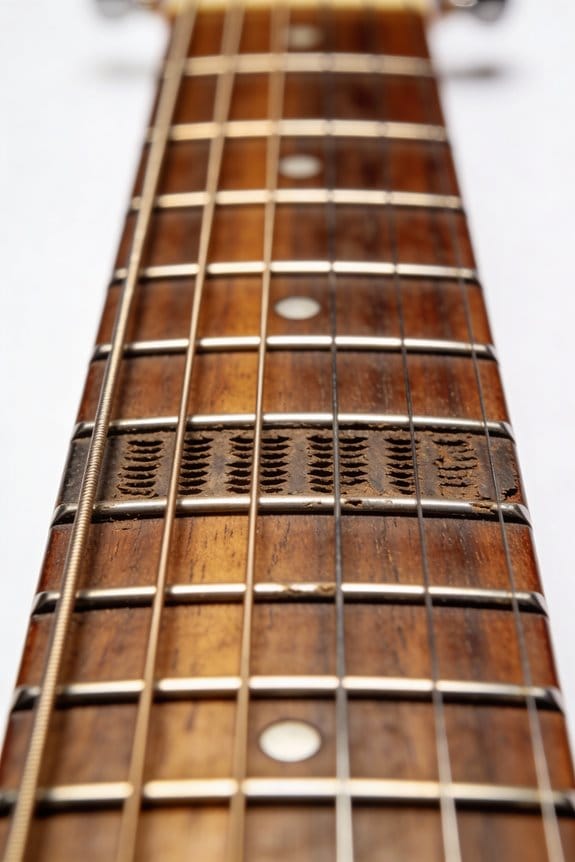
Hey there! So, you’re curious about how to spot fret wear on your guitar? It’s actually pretty straightforward once you know what to look for. First, take a good look at your frets in some nice, bright lighting. If you see any flat spots or little grooves, especially on that first fret, that’s a telltale sign that your frets are wearing down.
Another giveaway is if your notes start sounding a bit dull or muted. This could mean the frets are losing their shape and affecting your sound quality. Here’s a simple tip: regularly check the height of your frets. It can help you gauge wear over time. Plus, if you play with a lighter touch on the strings, you might just prolong the life of your frets – something worth considering if you’re playing regularly!
When you notice wear, using the right fret crowning file is essential to restore the frets to their proper shape and improve playability.
Common Signs of Worn Frets

Hey! So, let’s chat about your guitar frets for a minute. If you’re playing regularly, it’s totally normal for your frets to start showing some signs of wear over time. One thing to keep an eye out for is those tiny grooves or divots, especially around the first few frets where we tend to play the most. These little marks can really affect how your notes sound.
Have you ever noticed a fret where the note just doesn’t ring out like it should? That’s what we call a dead fret, and it usually means that wear is messing with the way your strings vibrate. If you’re hearing a buzzing sound when you play, that’s another clue—it means your strings might be hitting uneven or worn-down frets.
Also, check if your frets are looking a bit dull or tarnished. That discoloration is a good indication that they’re not in great shape. And let’s not forget about uneven string action; as frets change shape, it affects how high your strings sit above the neck, making playing feel off. So, staying on top of these signs is key to keeping your guitar sounding sweet!
To accurately assess fret wear and maintain optimal playability, using a notched straight edge to check neck and fret levelness is highly recommended.
Identifying Common Causes of Fret Damage

Hey there! So, you’re wondering what causes fret damage, huh? It’s a pretty interesting topic because there are several things that can come into play. For starters, the material of the frets matters a lot. Nickel frets are quite popular, but when you pair them with steel strings, especially un-coated plain steel ones, they can wear down pretty quickly. That’s why some players opt for coated strings to help protect their frets.
Then, your playing style can really make a difference too. If you have a heavy hand when you’re strumming or fretting, you might find those frets wearing out faster than someone who plays with a lighter touch. Also, if you tend to use lighter string gauges, they can exert less pressure on the frets, which can help extend their lifespan. So, it’s always good to experiment and find what works for you.
We can’t ignore the environmental factors either. Changes in humidity and temperature can cause your guitar neck to shift a bit, leading to uneven frets and increasing wear over time. For instance, if you live in a particularly humid area, you might want to invest in a dehumidifier to protect your instrument.
Understanding these common causes of fret damage can really help you keep your guitar in prime condition. Speaking of keeping instruments in shape, let’s explore some ways to maintain your guitar and prolong its life! Using phosphor bronze strings can also improve tuning stability and reduce wear on frets due to their balanced tone and durability.
Effective Maintenance Tips to Prevent Fret Wear
Hey there! Let’s chat about how to keep those guitar frets in great shape because proper fret maintenance not only extends their lifespan but also makes playing a lot more enjoyable. One of the simplest ways to take care of your frets is by giving your fretboard and strings a good wipe down regularly. Trust me, it makes a huge difference in reducing all that grunge that can build up over time.
Another tip? Try lubricating your strings! It can help minimize wear on the frets, which means you’ll spend less time worrying about fret replacement down the line. Oh, and don’t forget about varying your chord shapes and finger placements while playing. This simple shift helps to distribute the wear more evenly across the fretboard. Just make it a habit when you’re practicing!
Also, check your playing posture—keeping the neck of your guitar straight can reduce stress on the frets. If you’re looking to ease up even more, consider using lighter gauge strings or coated ones; they can really lessen the impact on your frets. With these straightforward steps, you’ll keep your guitar thriving just as you jam away. Speaking of maintenance, let’s explore how to keep that fretboard clean and shining! Using a natural lemon oil conditioner can nourish your fretboard wood and prevent cracking for long-lasting playability.
When Should You Get Your Frets Dressed or Replaced?
Hey there! So, let’s chat about frets and when it’s time to consider a fret dressing or even a replacement. If you start noticing flat spots on your frets or hearing buzzing when you play, that’s a clear sign something isn’t right. It can really hamper your playing experience, right?
Visible grooves or indentations on your frets are also telltale signs that a fret dressing might be necessary. You know, it’s like when you see wear and tear on your favorite shoes; they need some TLC! If your frets drop below 0.020 inches in height, that might be a cue to head to a professional. They’ll help determine if it’s time for a fret dressing or if you might need to replace them altogether.
On top of that, keeping up with regular maintenance—like every 1-2 years—can really make a difference in extending the life of your frets. But if you find yourself needing frequent dressings and your frets are already too low, it could be time to look at replacements to keep your music flowing smoothly. Sounds like a plan, right? Now, let’s explore how to keep your guitar feeling just as good as it sounds!
Choosing the appropriate fret wire material for replacements can significantly affect your guitar’s tone and playability, ensuring a better long-term experience.
Choosing Strings to Minimize Fret Wear
When you’re picking out strings for your guitar, it’s not just about nailing that perfect sound—it’s also about keeping your frets in good shape. Choosing the right strings can actually help minimize fret wear, which is something every guitarist should consider. For instance, coated strings like Elixir or D’Addario EXP come with a special layer that helps cut down on the friction between the strings and frets. This means less wear over time!
Another tip is to go for nickel-plated steel strings instead of pure steel. Nickel is typically gentler on frets, meaning it won’t grind them down as quickly. Plus, you might want to try lighter gauge strings. They’re easier on your frets since they put less pressure on them, which can really extend their life—kind of like choosing a feather over a bowling ball!
If you’re feeling adventurous, consider experimenting with different materials, like silk and steel or composite blends. They offer a softer touch, which can gently ease the wear and tear on your frets. And don’t forget to regularly change your strings; that simple act can help keep your frets safe, too! Additionally, choosing strings with corrosion protection features can maintain string freshness and contribute to overall fret longevity. With all these tips in mind, you’ll be well on your way to maintaining your guitar for years to come. Now, let’s talk about how to choose the right guitar setup to complement those strings!
Techniques to Reduce Fret Wear While Playing
If you want to reduce fret wear while playing your guitar, it’s not just about the type of strings or materials you use; it also comes down to how you play. Start with a lighter touch when you fret the strings. I know it sounds simple, but applying less pressure can actually make a big difference in slowing down wear over time.
Paying attention to your playing posture is super important as well. Keeping your neck straight and checking the neck relief can really set you up for success. Plus, rotating between different guitars during practice can help spread out the wear, so you don’t end up with one guitar showing significant signs of use.
You might also want to consider lighter string gauges. For example, switching from a set of heavy .012 gauge strings to a lighter .009 set can really ease the strain on both your fingers and the frets.
Lastly, mix up your chord patterns! By not always playing the same frets, you can avoid putting too much wear on specific areas. This way, your guitar not only lasts longer but also provides a richer and more varied playing experience. Now, let’s talk about proper guitar maintenance—it’s just as crucial for keeping your fretboard in top shape!
Additionally, using an equalizer pedal can help you fine-tune your tone and reduce the need for excessive finger pressure, indirectly protecting your frets over time.
Frequently Asked Questions
What Is the 3 Fret Rule?
The “3 fret rule” highlights that wear mostly happens in the first three frets. By checking for signs of overuse regularly and considering different fret material options, we can improve our guitar’s longevity and performance.
How to Tell if Frets Are Too Worn?
Did you know that up to 70% of guitarists experience fret wear indicators? We can look for signs of wear like buzzing notes and uneven frets, and apply fret maintenance tips to keep our guitars in top shape.
Can You Fix Fret Wear?
Yes, we can fix fret wear using various fret repair techniques. We might consider replacement options if the damage is severe, but regular preventative maintenance helps keep our frets in good shape for longer playability.
Can I Use WD-40 to Clean My Fretboard?
We can’t recommend using WD-40 for fretboard maintenance. Instead, let’s explore safer cleaning solutions together. There are better WD-40 alternatives that won’t harm your fretboard while effectively removing dirt and oils.