As an Amazon Associate, we earn from qualifying purchases. Some links on this site are affiliate links at no extra cost to you. Our recommendations are based on thorough research and editorial judgment.


How Ukulele Tuning Differs From Guitar Tuning

Ukulele tuning markedly differs from guitar tuning. The ukulele is typically tuned to G-C-E-A, featuring re-entrant tuning that gives it a bright and cheerful sound. In contrast, the guitar follows the E-A-D-G-B-E tuning, which offers a deeper tone. The ukulele’s nylon strings and lower tension make it beginner-friendly, allowing simple chord changes. By exploring these differences, we can better appreciate each instrument’s unique qualities and learn helpful tips for tuning and maintenance.
Key Takeaways
- The ukulele is tuned to G-C-E-A, while the guitar is tuned to E-A-D-G-B-E, showcasing distinct pitch arrangements.
- Ukulele strings are usually nylon, offering a softer sound, whereas guitar strings are typically metal, providing more durability and tension.
- The ukulele features re-entrant tuning, where the G string is higher than the C string, creating a unique and cheerful tone.
- Ukulele’s lower string tension allows easier chord transitions and a lighter strumming feel compared to the guitar.
- Beginner-friendly, the ukulele’s simple tuning and smaller size make it more approachable for novice players than the guitar.
Understanding Ukulele and Guitar Tuning Differences

You may be interested


Hey there! Have you ever noticed the fascinating differences in ukulele and guitar tuning? The ukulele is typically tuned to G-C-E-A, while guitars follow the standard E-A-D-G-B-E tuning. These unique tunings not only give each instrument its characteristic sound but also shape how we play and perceive music.
For instance, while strumming your ukulele, you’ll notice that the strings are usually nylon or made from synthetic materials, which means they have less tension compared to the metal strings of a guitar. This difference can make the ukulele feel lighter and easier to handle, especially for beginners. Another fun fact – the ukulele has something called re-entrant tuning. This means that its G string is actually higher than the C string, creating that cheerful and bright sound we love so much!
To improve finger strength and agility for playing either instrument, many musicians use finger trainers that help enhance dexterity and control with adjustable resistance levels.
Getting to Know Ukulele Tuning: The Basics of gCEA

When you’re tuning your ukulele, the gCEA setup is where the fun begins! This unique tuning creates that bright and cheerful sound we all love. It’s interesting to note that in standard ukulele tuning, the G string is actually tuned higher than the C string. This quirky feature, known as re-entrant tuning, really adds to the instrument’s charm.
Now, tuning your ukulele takes a bit of care. Since its strings are more fragile than guitar strings, you really want to avoid cranking them too tight or they might snap on you. A good tip is to tune gently, checking each string’s pitch as you go. For instance, if the G string sounds sharp, simply loosen it a bit until it hits the sweet spot. Once you get the hang of gCEA, you might find yourself curious about other tunings, which can open up even more possibilities for creating beautiful music with your ukulele! Choosing the right wood type for the instrument can also influence its tone and playability.
Understanding Guitar Tuning: EADGBE

Hey there! Let’s talk about guitar tuning, specifically the standard EADGBE setup. It’s really fascinating how each string on a guitar is tuned from thickest to thinnest: we start with E, then A, D, G, B, and finally, back to E. Most of the time, we tune these strings in perfect fourths, but there’s a little twist with the G to B string, which is a major third. This unique tuning lets us play all sorts of chords and tackle different styles of music effortlessly.
For instance, if you’re strumming a G major chord, it’s super easy to switch to a C major, thanks to this setup. And the tension in the strings contributes to that bright, full sound that makes guitars so enjoyable to listen to. Plus, with a capo, you can change the pitch of your chords on the fly — it’s a game-changer for playing in different keys without having to retune everything!
Many acoustic electric guitars include built-in pickup systems that capture string vibrations for amplified sound, enhancing performance versatility.
How Re-Entrant Tuning Influences Ukulele Sound
You know, when you start looking into how instruments are tuned, like the ukulele with its re-entrant tuning, you uncover some pretty cool differences in sound and playability! The ukulele is tuned to G-C-E-A, which means two of its strings are higher than the others. This setup gives it a bright, cheerful sound that’s just not the same as a guitar. Instead of a straightforward low-to-high string arrangement, the ukulele mixes things up, which really adds character.
For instance, its high G string brings that sweet brightness to the music, while the overall lower tension of the strings gives it a gentler tone. Think about the difference between strumming a ukulele and a guitar: the ukulele has this light, airy feel, while the guitar tends to produce a richer, deeper sound. And because of that re-entrant tuning, making chord changes is a breeze, opening up a world of higher-pitched melodies to explore.
Additionally, the choice of string gauge significantly impacts the playability and tone, with lighter gauges enhancing ease of playing—a consideration also relevant for stringed instruments like the ukulele.
Recommended Products
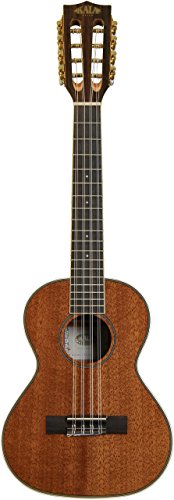
Mahogany body
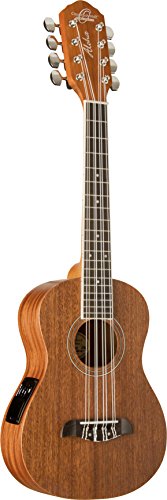
Fine Mahogany top, back and sides

【4&5 String Ukulele】Compared with normal 4 strings ukulele, this ukelele is equipped with an extra low-G string, sounds richer and fuller. The 5th string can be hung on the side of the nut & saddle to change into a 4-string ukulele. Get one but own 2 style ukelele
Why Ukulele Tuning Is Ideal for Beginners
You know what makes ukulele tuning such a great fit for beginners? It’s all about how simple and approachable it is! The four strings are tuned to G-C-E-A, creating this cool re-entrant tuning. This means that the highest string is actually tuned higher than some of the others, which might sound a bit odd at first, but it makes it really fun and easy to learn.
For instance, you can play many basic chords with just one or two fingers. Imagine strumming a C chord or an F chord—so straightforward, right? Plus, the ukulele’s smaller size and lighter strings mean you won’t strain your fingers as much. You can practice for longer without feeling sore, which is a huge plus when you’re just starting out.
And if you’ve ever picked up a guitar, you’ll find that some of the chord shapes overlap. So transitioning to a ukulele might just feel natural for you. It’s really refreshing to be able to master songs quickly without getting bogged down by complicated fingerings. This invites you to keep playing and enjoying the music, which is what it’s all about! Now, let’s explore how this relaxed playability opens the door to some fun songs you can easily start with.
To keep your ukulele sounding great and feeling smooth under your fingers, regular maintenance with natural oil-based waxes is highly recommended to protect the wood and enhance playability.
What Are Some Alternative Tunings for Your Ukulele?
When it comes to ukulele tuning, the standard G-C-E-A is probably what pops into most people’s heads, right? But there’s a whole world of alternative tunings out there just waiting for you to explore! For instance, if you’re playing a baritone ukulele, you might want to try D-G-B-E. It’s tuned like the top four strings of a guitar, which gives you a fresh and different sound to play around with.
If you’re looking for something with a bit more sparkle, A-D-F#-B is another fun option that brightens up your music. And let’s not forget about re-entrant tunings; a high G in G-C-E-A really enhances that classic ukulele vibe we all love. Have you ever tried adjusting to A-E-C#-G#? It can be perfect for folk songs and gives your playing a unique twist.
Also, don’t hesitate to grab a capo; it can really expand your musical options with these tunings. Speaking of different sounds, let’s explore the types of songs you can play with these alternative tunings! Using compression effects like a compressor pedal can also help smooth out your tone and add sustain to your playing.
Recommended Products

Tradition - a traditional yoke style guitar capo that you can store behind the nut on your instrument between songs, popular because the force is exerted from the centre of the neck, and because of the low profile

Gibson Black Chrome Finish Capo - Hummingbird

Taylor Black Chrome Finish Capo - Koa w/Black Taylor Logo
Effects of String Tension on Guitars and Ukuleles
Hey! So, let’s chat about string tension and how it affects both ukuleles and guitars. Understanding string tension is really important for anyone who plays these instruments, as it has a huge impact on sound and playability. If you think about it, ukulele strings are actually under much lower tension compared to guitar strings. This difference gives the ukulele its light and sweet sound, which is part of why people love it.
Now, one thing to keep in mind is that because those ukulele strings are under less tension, they can be a bit more fragile, meaning they might break more easily than tougher steel guitar strings. For example, if you’re tuning your ukulele, make sure the G string has just the right tension; if it’s too tight or too loose, the pitch will be off, and that can really throw off your music.
On the flip side, guitar strings are made to handle a lot more tension due to their thicker gauge. This higher tension not only shapes the instrument’s sound, giving it that rich depth, but it also makes playing a different experience. It tends to be a bit harder on your fingers, but that’s part of the thrill for many guitarists. Additionally, the choice of string gauge significantly influences playability and tone, making it crucial for both ukulele and guitar players to select the right strings for their style.
Transitioning From Guitar to Ukulele: Helpful Tips
Switching from guitar to ukulele is like catching a refreshing breeze on a summer day! If you’re starting this journey, you’ll find that a lot of what you already know about the guitar can help make the transition smoother. The standard tuning for the ukulele is G-C-E-A, which might feel a bit different, but guess what? Many of those familiar chord shapes we love from the guitar will work here too. For instance, when you play an open F-chord on guitar, it turns into a Bb-chord on the ukulele.
One thing to keep in mind is the ukulele strings—they’re a bit more delicate, so make sure to handle them gently to avoid breakage while tuning. As you get comfortable, practicing simple chord progressions like C-G-Am-F can really boost your confidence and skills. It’s exciting to pick up a new instrument and explore its unique sound while building on your guitar background. For a quiet practice experience similar to ukulele tuning, many beginners benefit from silent guitars, which allow focused practice without disturbing others.
How to Maintain Optimal Tuning on Both Instruments
Maintaining ideal tuning on both your ukulele and guitar is super important if you want that lovely sound we all crave. Trust me, the first step before you strum a chord is always to check your tuning, and it’s so easy with an electronic tuner or a tuning app on your phone. For instance, if you’re using a clip-on tuner, just pluck a string and watch the lights guide you to perfect pitch—it’s that simple!
Now, here’s a little tip: ukulele strings are usually made of nylon and can be a bit more prone to breakage than the metal strings on your guitar. So, when you’re changing strings, be gentle! After you put on new strings, give them a little stretch to help them settle into their tuning. Just grab the string gently and pull up a bit—that should keep them from slipping out of tune too quickly.
Also, think about where you store your instruments. Keeping them in a stable environment—away from humid or extreme temperatures—can really help maintain your tuning. For example, if you live in a damp area, a sturdy case might keep your ukulele safe from changes in the air. By keeping an eye on these small details, you’ll have more time to enjoy making beautiful music rather than dealing with out-of-tune strings!
Additionally, knowing the scale length preferences of your instrument can help you understand how tuning stability and playability interact, making your tuning efforts more effective.
Recommended Products

Premium rock maple neck - 3-Ply violin grade maple rim - Art Deco Inspired Inlay

WARM ALL-MAHOGANY TONE: Solid mahogany top with scalloped "X"-bracing and mahogany back and sides deliver a rich, warm, and balanced acoustic tone with excellent resonance and projection

SPALTED MAPLE APPEAL: The guitar boasts a spalted maple top, back, and sides, paired with black binding for a striking aesthetic appeal.
Frequently Asked Questions
What Is the Difference Between Ukulele Tuning and Guitar Tuning?
Imagine strumming bright, cheerful ukulele strings compared to the deep resonance of guitar chords. While each instrument dances to its unique tune, we’ll find ukulele’s G-C-E-A contrasts beautifully with guitar’s traditional E-A-D-G-B-E.
Can a Ukulele Be Tuned Like a Guitar?
No, we can’t tune a ukulele like a guitar. Ukulele tuning’s re-entrant structure is distinct, so we’d need to adapt our playing style and learn new chords to embrace its unique character.
Can I Use a Guitar Tuner to Tune an Ukulele?
Yes, we can use a guitar tuner to tune our ukulele, but we’ll need to set it to recognize ukulele notes. Dedicated ukulele tuners are often more accurate for achieving the right pitch.
Can I Play Guitar if I Learn Ukulele?
Absolutely, learning the ukulele’s vibrant chords can act as a springboard into guitar techniques. As we explore this melodic journey together, we’ll discover how each stringed instrument harmoniously weaves into our musical tapestry.


