As an Amazon Associate, we earn from qualifying purchases. Some links on this site are affiliate links at no extra cost to you. Our recommendations are based on thorough research and editorial judgment.

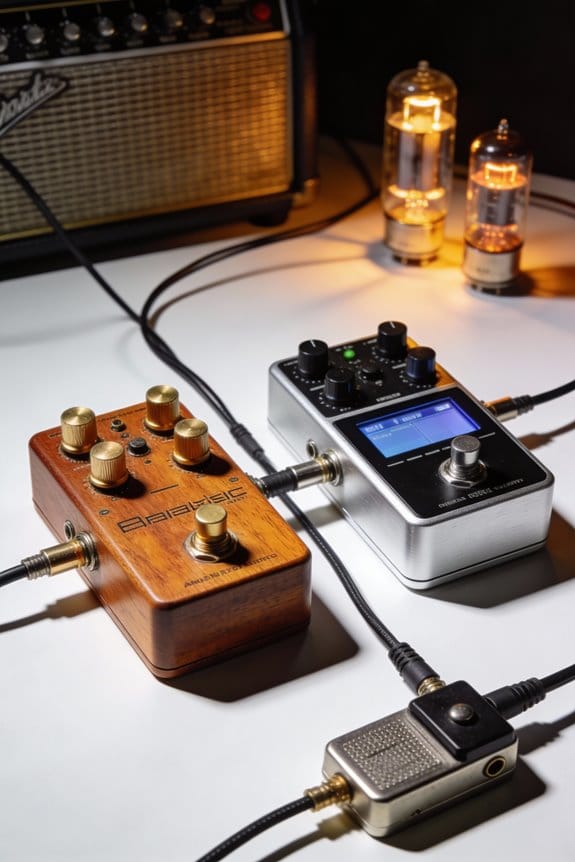
Analog Vs Digital Effects: Sound Quality and Flexibility

When exploring analog versus digital effects, we can see distinct differences in sound quality and flexibility. Analog effects bring a warm, rich sound with unique harmonics, while digital effects offer precision and versatility for real-time manipulation. Both methods cater to different genres, with analog favored in jazz and folk, and digital in pop and electronic. The choice between them impacts our creative process, enhancing our production style. Let’s dive deeper into how each can elevate our musical projects!
Key Takeaways
- Analog effects emphasize warmth and rich harmonics, creating unique tonal qualities valued in jazz and folk music.
- Digital effects provide precision and versatility, allowing for real-time manipulation and easy layering, preferred in pop and electronic genres.
- Analog sound offers a continuous wave format that captures character, while digital recordings excel in dynamic range and clarity without distortion.
- Digital tools allow for seamless, non-destructive editing, enabling creative experimentation without affecting original audio, enhancing flexibility in production.
- Budget-wise, digital setups are generally more affordable, while analog gear’s craftsmanship can result in higher initial costs and maintenance.
Understanding Analog Effects
You may be interested

Hey there! Let’s talk about analog effects and the cozy, inviting sounds they create. You know, these effects come from actual electrical circuits and components, which give them this unique warmth that digital effects often lack. For instance, tape echo and analog delay are favorites among musicians for a reason—they create lush harmonics that can truly elevate a track.
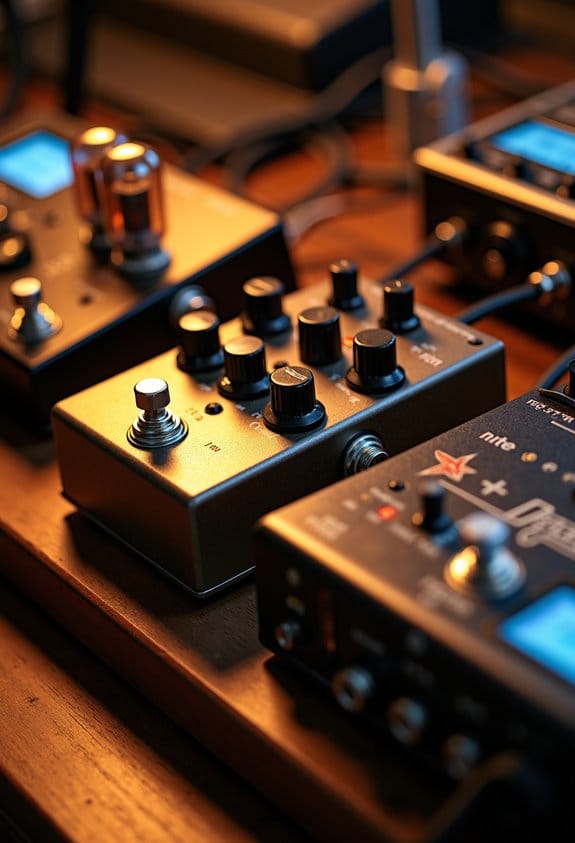
One of the cool things about analog gear is its nonlinear behavior. This can introduce some delightful unpredictability and organic distortion that adds character to your music. Think about how a vintage tape machine might add a bit of rich, warm fuzz. Sure, using analog effects can require some special hardware and a bit more effort to set up, but many say the hands-on experience makes it all worthwhile.
Plus, while these effects may age over time and change in sound, that warm quality adds depth to recordings in a way that feels alive. It’s like capturing a moment in time rather than just a clean, perfect note. So, if you’re interested in experimenting with your sound, sticking with analog effects could lead to some really fascinating outcomes in your music-making journey! Analog preamp pedals like the Vintage Box GK-33 use all-analog circuitry to deliver that dynamic tone many players seek.
Recommended Products

Authentically recreates the sound and behavior of the legendary Roland RE-201 Space Echo.

The most authentic emulation of the classic mid-’70s analog Japanese ambience device
Authentically recreates the sound and behavior of the legendary Roland RE-201 Space Echo
Exploring Digital Effects
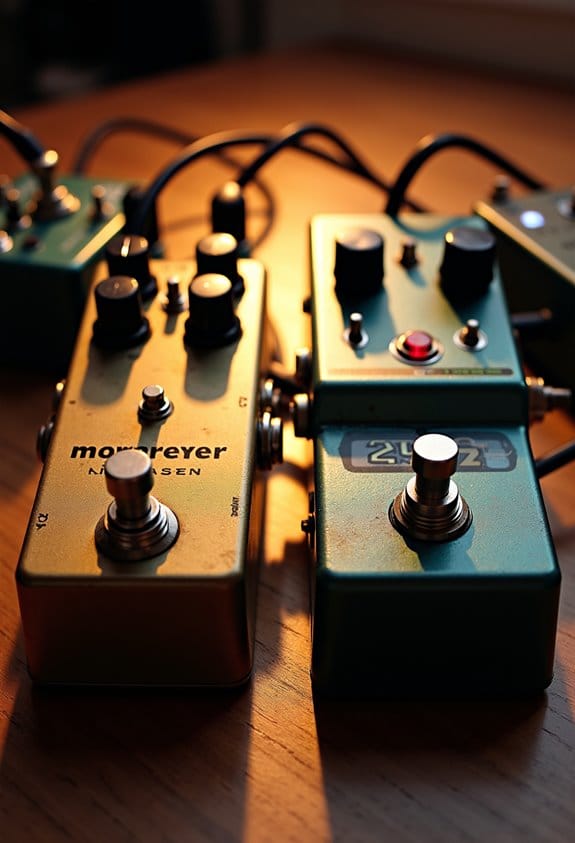
Hey there! So, have you ever thought about how digital effects can completely reshape the way we make music? Unlike those warm, rich sounds you get from analog gear, digital effects offer amazing versatility and precision. Imagine being able to layer multiple tracks seamlessly, correct pitch on the fly, or even apply cool effects in real-time. It’s a whole new level of control that really opens up creative possibilities.
For instance, if you’re working on a pop track, you can quickly pitch-correct a vocal take to make it sound just right. Or, if you’re getting into EDM, layering synths and adding reverb can create those lush soundscapes that make your tracks stand out. And the best part? You can save your favorite settings as presets, so you can experiment with different sounds without worrying about losing the ones you love.
Thanks to formats like WAV and MP3, you can apply these effects while keeping the sound quality intact, making it super easy to reuse what you create across various projects. It’s fascinating how digital effects can push the boundaries of creativity in genres like hip-hop or EDM, isn’t it? Speaking of creativity, let’s explore how we can combine these digital techniques with other tools to further enhance our music-making!
Additionally, just like selecting the right string gauge and material can influence an instrument’s tone and playability, choosing specific digital effects settings can be critical to achieving the desired sound quality.
Sound Quality: Analog Vs Digital
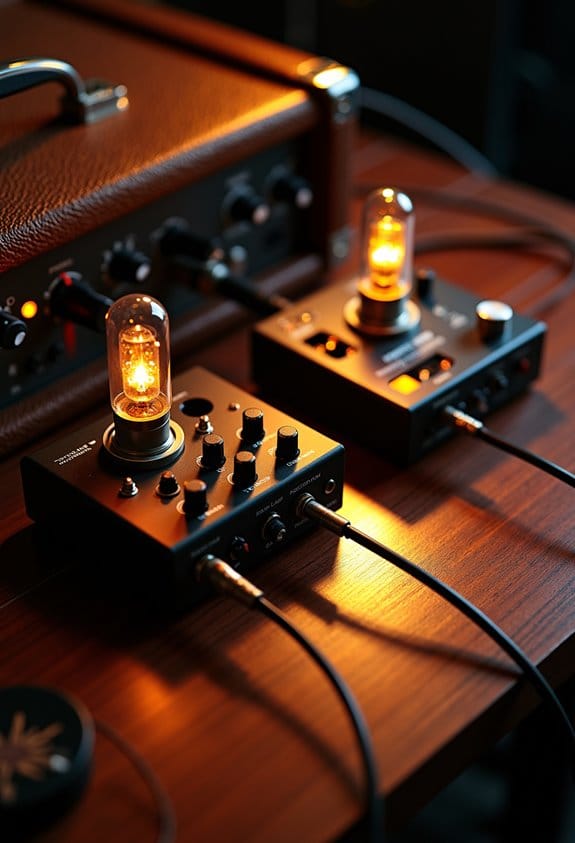
Let’s chat about sound quality and how analog and digital recordings compare. When you think of analog sound, picture that warm, inviting vibe it gives off. It’s often described as more “organic” because it captures audio in a continuous wave format, making every note feel alive and real. Digital recordings, on the other hand, have their own appeal; they’re known for a wider dynamic range, usually between 90 to 95dB, which means they can handle loud and soft sounds without losing clarity.
Think about it this way: with a digital recording, you can easily edit out a mistake or adjust levels without worrying about distortion, while analog can have a unique character to it, like that crackle you hear from a vinyl record. For instance, CDs are great for covering your typical music range, but some vinyl records can go beyond audible frequencies, even reaching above 122kHz! Sure, analog may wear down over time, but many audiophiles love that it has its own “story” to tell.
In addition, the choice of cable shielding and materials plays a crucial role in maintaining sound integrity, especially when connecting analog instruments to recording devices.
In the end, whether you lean towards the warmth of analog or the precision of digital, both formats offer fascinating experiences to explore. And speaking of experiences, let’s dive into how these sound formats influence the way we connect with music!
Recommended Products
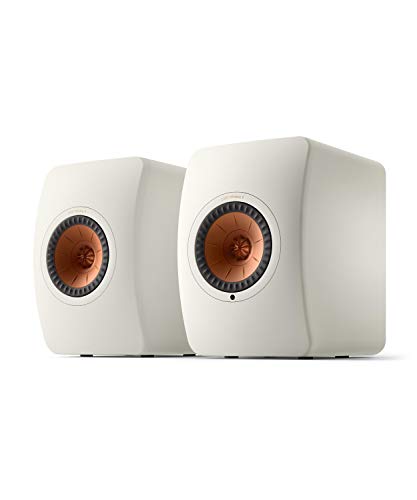
Available streaming services include: Spotify Connect, Tidal, Amazon Music, Qobuz, Deezer, QQ Music, Internet Radio, and Podcasts.
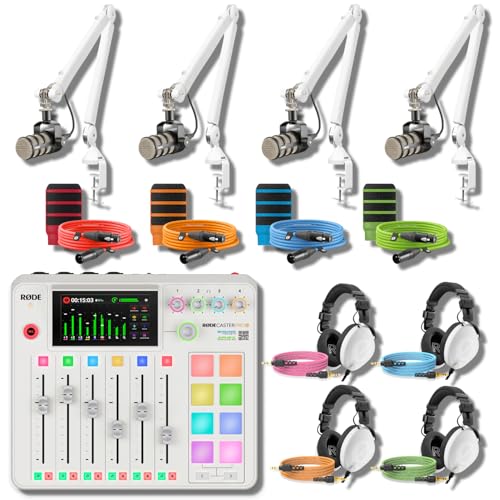
ALL-WHITE 4-HOST RIG — REFERENCE HEADPHONES AT EVERY CHAIR: A multi-host podcast needs more than four broadcast mics on white arms — every host needs studio-grade monitoring, not entry cueing cans. This bundle pairs the RodeCaster Pro II White console with 4 PodMic mics, 4 PSA1+ White arms, 4 NTH-100 White headphones, 4 color NTH cables, 4 color XLR cables, and 4 WS14 pop filters in Orange, Green, Pink, and Blue. Podcast producers and panel hosts — assign a color per host, start recording today.

Type C to DAC digital audio cable: The USB C headphone adapter uses a smart DAC digital chip with excellent and stable decoding performance, and supports up to 16-bit/48 Khz audio sampling rate. DAC chip can also convert the digital audio signal to analog audio signal to maintain the higher fidelity sound of the headphones. The 3.5 mm female port is CTIA compatible. Note: Not compatible with OMTPTS and TRS microphones, microphone-only devices are not supported.
Flexibility in Audio Production
You know, one of the coolest things about digital audio production is its flexibility. With the right digital tools, layering sounds is super easy, and you can throw on real-time effects without worrying about messing up your original recordings. It’s all about non-destructive editing, which means you can play around freely without losing anything. For example, if you want to change the pitch of a vocal track or speed up a beat, you can do that in just a few clicks.
Another great aspect is the sheer number of effects and plugins available. You can get really creative and try out different sounds without any hassle! Plus, automating things like volume and effects gives you even more control—you can make your music swell and recede in just the right spots to build emotion. And since you’re working with digital audio, you don’t have to worry about losing quality over time. You can share high-quality recordings easily, just like sending a text without worrying about your phone battery dying. Modern multi-effects processors also offer extensive effect modules including amp simulations, delays, and reverbs that enhance creative possibilities.
Recommended Products

Full-size jog wheels enable next-level scratching, and color On Jog Display gives you crucial track information

8 award-winning Midas PRO mic preamps and 8 Midas PRO outputs onboard

STANDALONE POWERHOUSE: No computer required with MPC3 OS, Gen 2 8-core processor with 4x the processing power, 16GB RAM for running multiple plugins simultaneously, and 256GB internal SSD storage for projects, samples, and presets
Performance Characteristics
When you start to look at the performance characteristics of analog and digital effects, it’s pretty fascinating to see how each has its own vibe and advantages. For instance, analog effects often give you that warm, rich sound that’s like a cozy hug for rock and jazz music, thanks to their natural harmonic distortion. Picture your favorite guitarist using an analog pedal to get that lush, full tone – it really brings the music to life!
On the flip side, digital effects are all about clarity and precision. They work by using algorithms, which means you can customize your sounds a ton. Imagine being able to tweak everything from reverb to delay with just a few clicks! Digital effects can produce sounds at levels between 90 to 95 dB, which minimizes distortion and keeps everything nice and clean. Plus, they make it super easy to layer sounds and experiment, so you can really play around with your creativity.
Now, sure, analog effects might add a bit of subtle noise, but that’s part of their charm! The real-time adjustments of digital effects really push you to experiment quickly and see what works best in your mix. It’s like having two distinct flavors; each one brings something special to the table depending on your musical style or mood. So whether you’re gravitating toward that vintage warmth or the crisp digital clarity, understanding these performance characteristics will help you pick the right tools for your sound. Ready to dig into how these effects can actually improve your playing? Let’s get into that next!
Many guitarists also consider true bypass when choosing pedals to ensure their tone remains pure when effects are off.
Price Comparisons
Hey there! Let’s talk about the pricing differences in analog and digital effects and how they can affect your sound choices. When you look at analog effects units, they often come with pretty high price tags—think several hundred dollars or even more—thanks to the quality components and craftsmanship involved. For example, a classic analog delay pedal might set you back around $200, but many musicians swear by their warmth and unique tonal qualities.
On the flip side, digital effects are a lot more wallet-friendly. You can find basic software plugins starting at about $50, which gives you a ton of options without breaking the bank. For instance, there are great reverb and distortion plugins that emulate the sounds of high-end hardware for a fraction of the cost. The beauty of digital is that you can easily update and duplicate your effects without any ongoing maintenance costs. Additionally, many pedals now come equipped with true bypass functionality to preserve tone quality, which is a key factor in both analog and digital pedal designs.
Recommended Products

Product 1: Unmistakable drip of three "golden unit" spring reverb tanks, pulled from classic '60s American guitar amps

Analog Tube Drive Circuit

Recreates the sound of the 1963 Fender Reverb via COSM technology
Notable Artists and Their Preferences
You know, when we talk about notable artists and their recording preferences, it’s pretty cool to see how their choices really shape their unique sounds. Take Kanye West, for example; he’s all about digital recording, which really lets him play around with sound manipulation in creative ways. Billie Eilish is also in that camp with digital methods, which gives her the freedom to mix and layer sounds effortlessly.
But it’s not just all digital! Radiohead mixes things up by blending both analog and digital techniques. They appreciate the warm, rich sounds that analog gear can bring, while still enjoying the versatility that digital tools offer. Then there’s Daft Punk, who swears by their analog synthesizers for those lush textures, but they also utilize digital tools for their efficiency. It’s interesting to note how artists in genres like jazz and folk often cherish that analog warmth, while those in pop and electronic music tend to focus on precision. Moreover, the use of high sampling rates in digital gear helps capture the nuances in performances that many artists value for clarity and expression.
Choosing the Right Method for Your Project
Alright, so how do we figure out whether to go with analog or digital recording methods for our music projects? First off, let’s think about the vibe we’re after. Analog recording tends to give us that warm, rich sound, which is fantastic if you’re working on genres like jazz or folk. Just picture an old vinyl playing your favorite jazz tunes – it really captures those authentic performances, right?
Now, if you’re leaning toward something more contemporary, like pop or EDM, digital recording is your go-to. It’s super flexible, allowing you to edit precisely and add real-time effects easily. Imagine tweaking your track until it sounds just right with a couple of clicks; that’s the magic of digital!
Budget is another biggie. Generally, going digital can save you some cash since the setups don’t take up much space and are often more affordable than a full analog rig. Also, think about the dynamic range: digital recordings can reach higher levels without distortion, giving your music that polished finish. Many digital interfaces offer low latency monitoring, which is crucial for smooth real-time performances and seamless creativity.
Recommended Products

Analog Morphing Synthesizer with 6 voices of Polyphony, Mono/Unison/Poly voicing and Single/Split/Layer modes

All In One: Music Streamer,DAP,DAC,Preamp all in DMP-A8, Each one of these jobs, it's up to the task. It will be a great component to your audio system. Easy control via 6" large LCD color touchscreen and Exclusive mobile APP for Android/IOS mobile phones and tablets.

High specification 20-channel 96kHz, 24bit USB soundcard for seamless integration into digital DJ workflows
Frequently Asked Questions
Which Has Better Sound Quality, Analog or Digital?
We believe analog often offers better sound quality, showcasing tonal richness and a warmth factor that digital sometimes lacks. However, preferences vary; some of us appreciate digital’s precision and clarity, making this debate truly subjective.
Why Is Digital the Preferred Choice Over Analogue?
Digital’s our choice because it offers precision and versatility in processing. It’s user-friendly, allowing us to edit easily and creatively without the limitations of analog. We appreciate the reliability and quality digital brings to our projects.
What Are the Advantages of Analog Over Digital?
When we think of analog, it’s like embracing a warm hug from our favorite blanket. The warmth factor, rich tonal character, and smoother signal processing create an inviting sound that digital often struggles to replicate.
Why Are Analog Pedals Better?
We think analog pedals are better because they offer timbre richness and a warmth factor that digital can’t replicate. Their superior signal fidelity guarantees our sound remains authentic and dynamic, enhancing the musical experience effortlessly.


