As an Amazon Associate, we earn from qualifying purchases. Some links on this site are affiliate links at no extra cost to you. Our recommendations are based on thorough research and editorial judgment.

How Humidity Control Devices Protect Your Instrument

Humidity control devices are essential for protecting our instruments, especially wooden ones. They maintain the ideal moisture levels—usually between 40% and 60%—that prevent issues like swelling, cracking, and mold growth. By using humidifiers in dry areas and hygrometers to monitor conditions, we can guarantee our string instruments and pianos perform their best. Proper humidity management not only increases the lifespan of our instruments but also enhances their sound quality. Want to learn more about the specifics? Keep going!
Key Takeaways
- Humidity control devices maintain ideal moisture levels, preventing wood swelling, cracking, and mold growth in musical instruments.
- Consistent humidity improves tuning stability and overall performance, ensuring instruments sound their best during play.
- Humidifiers add moisture in dry conditions, while dehumidifiers help combat excessive moisture in humid environments, safeguarding instrument integrity.
- Reliable hygrometers and humidistats monitor moisture levels, providing alerts for necessary maintenance to protect your instrument.
- Regular use of humidity control devices can increase the lifespan of instruments and decrease costly repairs, preserving sound quality over time.
Ideal Humidity Levels for Different Instruments: Key to Control

You may be interested

Hey there! If you’re a music lover or a musician, you’ve probably wondered about humidity levels and how they affect your precious instruments. Keeping the ideal humidity levels between 40% and 60% is key for string instruments and pianos. This range not only keeps the wood from swelling or cracking but also prevents issues like mold growth when it gets too humid or shrinkage when it’s too dry.
To maintain these levels, using a good humidifier or a dehumidifier is super important. For example, if you live in a dry area, a humidifier can add moisture to the air, protecting your guitar or piano from damage. And if you’re in a more humid climate, a dehumidifier can help reduce excess moisture, keeping everything in check.
Don’t forget to keep an eye on things with a hygrometer! This handy tool helps you monitor your environment so you can be sure your instruments are safe and sound. With consistent humidity, you’ll notice better tuning stability and fewer issues like sticky keys. Taking these simple steps not only protects your instruments but also enhances their beauty and performance. Proper humidity monitoring is essential for ensuring these benefits and preventing damage.
Now, let’s explore how temperature can play a role in keeping your instruments in top shape!
Why Humidity Control Is Crucial for Your Instruments
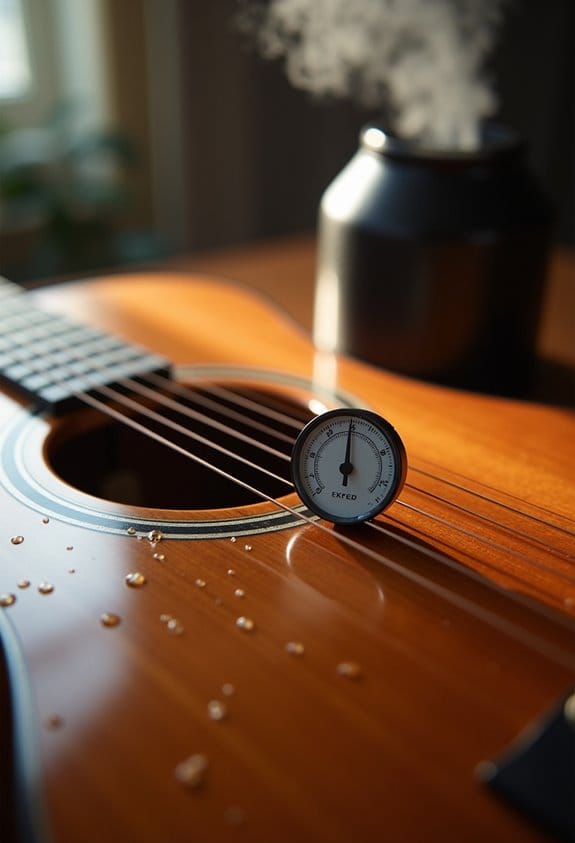
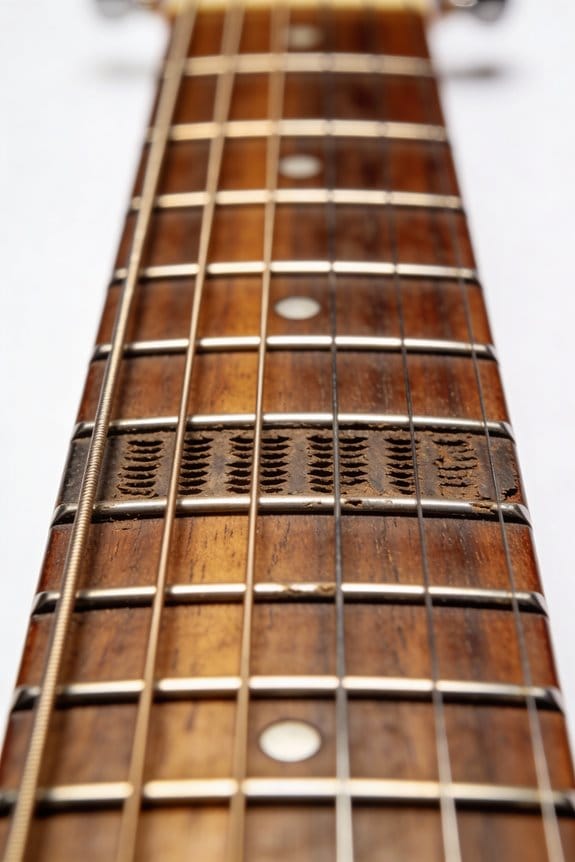
You know, humidity control is super important when it comes to our musical instruments, especially those made of wood. Keeping the humidity between 40% and 60% is key to avoiding problems like expansion, contraction, and even warping that can really mess up our favorite wooden instruments. For example, if the humidity is too high, the wood can swell, making parts loose or even promoting mold growth. On the flip side, low humidity can dry the wood out, causing cracks that can throw off your tuning.
It’s really crucial to keep an eye on humidity changes because they can warp the neck of guitars or change the shape of the bridge on violins. This can make them harder to play and affect how they sound. Investing a little bit in a good humidifier or hygrometer can go a long way in protecting your instruments. By maintaining the right humidity levels, we’re not just keeping our gear safe; we’re also making sure it stays in great shape for years to come. After all, who doesn’t want their music-making equipment to sound as good as it did on day one? Using a two-way humidity control system ensures precise moisture balance by both absorbing and releasing moisture as needed.
Effects of Humidity Variations on Instrument Performance

Hey there! Let’s chat about how humidity variations impact our instruments – it’s pretty fascinating when you think about it. Keeping moisture levels consistent is super important for maintaining their performance. If the humidity gets too high, you might notice your wooden instrument swelling and warping. This can lead to tuning issues and that annoying “mushy” sound we all dread. Conversely, if the air gets too dry, it can cause cracks and separate glued joints, which is definitely not what we want for our cherished instruments.
Take string instruments, for example. They’re particularly sensitive to humidity changes. A warped neck can really mess with your intonation and make it harder to hit the right notes. Woodwind players, on the other hand, may find that high humidity makes key fittings unreliable, while low humidity can damage the wooden parts of their instruments. And don’t forget about pianos! High humidity can make the notes sound sharp, while low levels can lead to cracks and flat-sounding notes. Therefore, maintaining stable humidity levels between 45-55% is essential to prevent damage and ensure optimal sound quality.
How Humidifiers Prevent Damage to Wooden Instruments
Hey there! So, if you’re like me and you love your wooden instruments, you probably want to keep them in tip-top shape, right? That’s where humidifiers come into play. They help maintain humidity levels between 40% and 60%, which is crucial for preventing damage.
When the air is too dry, those lovely wooden parts of your instrument can start to shrink and crack, which is definitely something you want to avoid. On the flip side, too much humidity can cause swelling and warping, but a good humidifier regulates the moisture perfectly to dodge those problems. For example, if you notice that the weather has been particularly dry, running a humidifier can protect your guitar or violin’s wood from those cracks.
Plus, these handy devices help keep the glue joints strong, so your instrument remains intact and sounds great. Using a humidifier regularly not only keeps mold at bay but also extends the life of your beloved instrument. By paying attention to the right humidity, you’ll ensure that your instruments stay beautiful and playable for many years to come!
It’s also important to remember that the ideal humidity range for wooden guitars is generally between 45% and 55% RH to best preserve tone and structural integrity.
Speaking of long-lasting care, let’s also chat about some other great maintenance tips for your wooden instruments.
The Role of Hygrometers in Effective Humidity Management
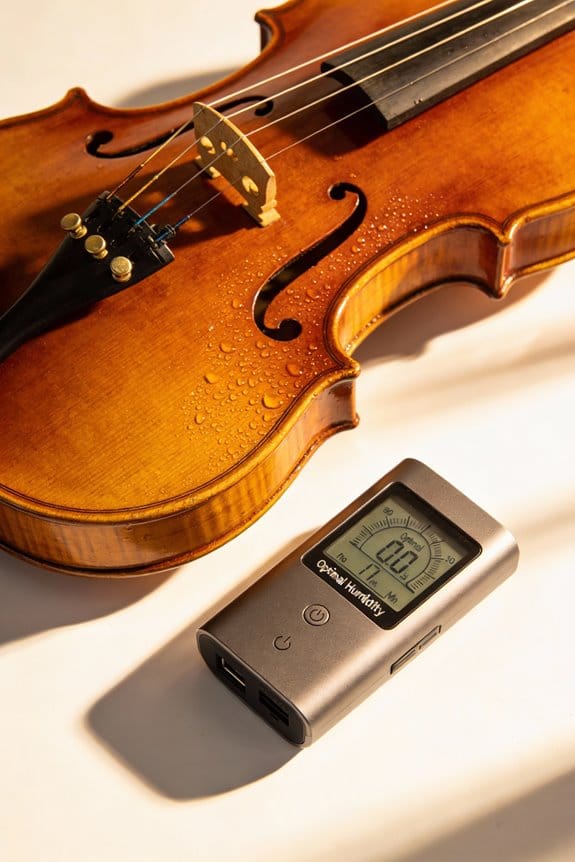
Hey there! If you own wooden instruments, you know how important it is to keep them in tip-top shape. That’s where hygrometers come into play! These little gadgets measure humidity levels, which is crucial because keeping your instrument’s environment just right can prevent damage caused by too much moisture or dryness. Ideally, you want to aim for a humidity level between 40% and 60%. If you notice a spike or dip in those numbers, a hygrometer alerts you, giving you a chance to act before any harm occurs.
You might even find some instrument cases that come with hygrometers built right in. How convenient is that? And if you pair them with two-way humidity control systems, they can automatically release or absorb moisture to maintain that sweet spot. For example, if the air gets too dry, these systems can add moisture, helping preserve the wood and its sound.
It’s pretty fascinating how something so simple can help protect your cherished instruments. So if you haven’t thought about investing in a hygrometer yet, it’s definitely worth considering! Now, let’s explore how to choose the right hygrometer for your needs. Some models even come with real-time LCD displays that make humidity monitoring easy and precise.
Top Humidifier Options for Musicians
When you’re a musician, picking the right humidifier for your instruments is key to keeping them in top shape. It’s like giving your beloved guitar or piano a nice drink to stay happy and hydrated. For smaller rooms, I highly recommend the Vornado EV100 Whole Room Evaporative Humidifier. It has a spacious 1-gallon tank and can comfortably cover areas up to 300 square feet, making it perfect for your practice space.
If you have a medium-sized room, the AIRCARE ESSENTIALS MESA Ultrasonic Humidifier might just be what you need. It offers both warm and cool mist options, covering up to 750 square feet and can output an impressive 2.2 gallons of moisture every day. Plus, it’s a breeze to use—just set it up, fill it up, and let it work its magic.
For larger spaces, the AIRCARE MA1202 is a powerhouse. It can manage areas up to 3,600 square feet and provides up to 12 gallons of moisture daily. That’s a lot of humidity! And don’t forget to look for humidistats in whichever model you choose. They monitor humidity levels so your instruments stay snug and protected.
Proper humidity control is essential to maintaining the tonal qualities and structural integrity of acoustic electric guitars.
Finding the right humidifier really helps ensure your instruments are safe and sound, paving the way for better music sessions. Now that we know what to look for, let’s chat about how to best maintain these treasures of yours!
Regular Maintenance for Humidity Control Devices
Hey there! You know, keeping our humidity control devices in check is super important if we want to keep our instruments safe and sound. Regular maintenance for these devices not only helps us avoid issues like warping but also protects our gear from potential damage.
So, let’s break it down. For instance, it’s a good idea to regularly inspect and clean your humidifiers and dehumidifiers. Dust can gather and block moisture output, which isn’t what we want. Also, make sure to change or refill the water in your humidifiers every so often—this helps maintain the right moisture levels and keeps nasty bacteria at bay. It’s all about simple steps that make a big difference!
And don’t forget about the hygrometer! Checking it ensures you’re getting accurate readings, so you can adjust things as needed. Plus, staying on top of filter replacements is essential to keep the air quality in check. Monitoring those humidity levels consistently when you’re storing instruments can really help protect them. Modern models may even include humidity monitors for automatic notifications to simplify maintenance and ensure optimal conditions.
Consequences of Neglecting Humidity Management for Instruments?
Hey, have you ever thought about how important humidity management is for musical instruments? It’s something that often flies under the radar, but neglecting it can really lead to some serious issues. For example, wooden instruments can expand and contract with shifting humidity levels—this can cause cracks or warping. Imagine your favorite guitar cracking right down the middle! That kind of damage leads to expensive repairs.
On the other hand, if the air around your instruments is too dry, they can shrink and the glued joints might start to stress. This affects how they sound and can make them harder to play. Think of a piano that just won’t stay in tune properly—frustrating, right? Plus, when humidity isn’t managed well, there’s the risk of mold developing. Not only is that bad for your instrument, but it can also be unhealthy for you.
Instruments also benefit greatly from professional luthier practices, which often include ensuring consistent humidity to maintain optimal condition and longevity.
Investing in Humidity Control: Long-Term Benefits for Musicians
You know, when we talk about investing in humidity control for our musical instruments, it’s really about ensuring they last longer and perform at their best. Think of it this way: just like you wouldn’t leave your favorite guitar out in the rain, proper humidity management helps keep it safe from the dangers of cracking and warping.
Using tools like humidifiers or dehumidifiers can help maintain that sweet spot of 40-60% humidity that wooden instruments thrive in. For example, if you live in a particularly dry area, a humidifier can do wonders for your acoustic guitar’s sound quality and tuning stability, saving you from potentially expensive repairs down the line. On the flip side, automated systems like those from AprilAire can help combat mold and wood rot if you’re in a humid region. Proper humidity levels also support the longevity of your instrument’s structural integrity, which is crucial for maintaining sound quality and playability over time.
Frequently Asked Questions
How to Protect Instruments From Humidity?
It is understood it might seem tedious, but taking instrument care seriously is essential. By monitoring humidity levels and employing protection strategies, we can prevent damage and keep our instruments playable and sounding their best for longer.
How Does Humidity Affect Musical Instruments?
Humidity affects musical instruments by causing moisture absorption, leading to wood expansion and potential damage. We must make certain stable humidity levels to protect against these issues, preventing warping, cracks, and preserving our instruments’ sound quality.
Are Humidifiers Good for Instruments?
Yes, humidifiers are great for instruments! They help maintain ideal humidity levels, ensuring our instruments stay in top shape. This not only enhances sound quality but also promotes instrument longevity, preventing damage from both dryness and excess moisture.
How Does Humidity Affect Equipment?
Humidity effects can either extend our instruments’ lifespan or cause severe moisture damage. High humidity leads to warping, while low levels cause cracking. We’ve gotta maintain that ideal range to keep our instruments in top shape!