As an Amazon Associate, we earn from qualifying purchases. Some links on this site are affiliate links at no extra cost to you. Our recommendations are based on thorough research and editorial judgment.


Understanding When Your Guitar Needs a Professional Setup

Understanding when our guitar needs a professional setup is essential for great performance. If we notice fret buzz, tuning problems, or changes in sound quality, it’s a sign our guitar needs attention. An experienced setup can improve playability and prolong the instrument’s life. Regular maintenance every six months is helpful, especially with changing seasons. If we’re unsure about DIY adjustments, professional help can guarantee everything’s just right. Let’s explore these signs and more to keep our guitars in top shape!
Key Takeaways
- Fret buzz while playing indicates that the action may be too high or requires truss rod adjustment.
- Difficulty in pressing down strings suggests potential neck relief issues needing attention.
- Frequent tuning problems can signify loose tuning pegs or the need for new strings.
- Out-of-tune notes at the 12th fret point to possible intonation issues that require correction.
- Changes in playability or sound quality indicate that a professional setup may be necessary.
Signs Your Guitar Needs a Professional Setup

You may be interested

Hey there! When we’re jamming on our guitars, we all want that smooth, effortless feel that really brings our music to life. But sometimes, you might notice signs your guitar needs a professional setup. For example, if you’re facing pesky fret buzz or find it tough to press down the strings, that might mean the guitar’s action is too high or it needs a truss rod adjustment.
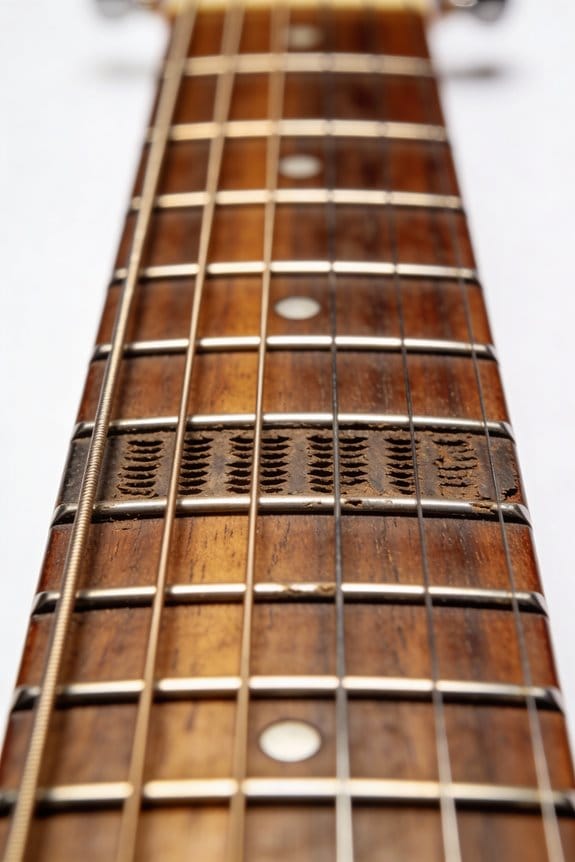
Have you ever struggled with tuning your guitar, only to find that it still sounds off? That might be due to loose tuning pegs or even old strings that need replacing. It’s a good idea to check those out! Also, if the sound quality drops or certain notes feel uneven, it could be a sign that the frets need leveling to get everything back in balance.
Lastly, pay attention if your guitar sounds out of tune at the 12th fret; that’s a telltale sign of intonation issues that really need fixing. Getting a professional setup can revitalize your guitar and make a world of difference in your playing experience! It’s all about making sure your instrument is in top shape, so you can focus on creating amazing music. Using a proper guitar truss rod wrench is essential for precise neck adjustments during setup.
Common Signs That Your Guitar Needs Adjustment

Hey there! You know how much we love our guitars, right? Just like any great companion, they sometimes need a little extra care to keep them in tip-top shape. For instance, if you’re hearing fret buzz whenever you’re trying to play a note, it might be time for some adjustments. That could be due to low string height or maybe your guitar neck isn’t quite aligned. Both of these can really mess with how the guitar feels and sounds.
Now, have you ever noticed your guitar going out of tune more often than usual? It might be a sign that the tuning pegs need a good check-up or, hey, maybe those strings are getting old and need replacing. Another thing to watch for is any sudden changes in sound quality—like if your guitar seems quieter or less vibrant. That could mean it’s time for a setup.
Taking the time to make those little adjustments, like tweaking the truss rod, can really take your playing to the next level. A professional setup can help, too! It not only enhances playability but also improves your overall sound quality. When your guitar is in harmony, you’ll notice a difference in how you express yourself through music, and that’s always a win!
In some cases, using the right guitar bridge pin reamer during maintenance can significantly improve your guitar’s performance and longevity.
Benefits of a Professional Guitar Setup

Hey there! Have you ever thought about getting a professional guitar setup? It’s not just something for the pros; it’s super beneficial for any guitar player who wants to get the most out of their instrument. A setup can fine-tune things like the neck relief and action height, which basically means adjusting how high the strings sit compared to the fretboard. This can make a huge difference in how easy it is to play and how your guitar sounds.
You know those annoying buzzes and tuning issues that can pop up while you’re playing? A skilled technician can help fix those pesky problems, making sure everything plays smoothly and stays in tune. For example, if you’re experiencing fret buzz because your strings are too low, they can raise the action just the right amount to eliminate that buzz without making the strings hard to press down.
Regular maintenance is also key to keeping your guitar in tip-top shape. Think about it: getting your strings changed and checking the electronics means your guitar will last longer and stay sounding great. By making these adjustments, you can customize your guitar to really match your style and preferences. Using high-quality precision measurement tools during these adjustments ensures the most accurate setup possible.
Essential Steps in the Guitar Setup Process
Setting up your guitar is more than just tweaking a few screws; it’s a way to get the most out of your instrument so it plays and sounds great. The first step is adjusting the truss rod, which helps to create the right amount of curve in the neck. You can check this by looking at the gap between the strings and the frets—there should be just enough space for a piece of paper to slip through without getting stuck.
Next up is the action. This simply means adjusting the bridge height to make it easier to play without any buzzing sounds when you strum. If you’re having trouble playing certain notes because they sound muted, it might be time for a bridge adjustment. After that, we turn our attention to the nut, where we file the slots for the strings so that they sit at just the right height. This helps when you play open chords, making them ring out clearly.
We can’t forget about intonation! This involves checking the note at the 12th fret against its harmonic to make sure your guitar is in tune all the way up the neck. If they don’t match, a little adjustment on the saddle will fix that. The whole setup can take anywhere from 30 minutes to a few hours, but trust me, the improvements in playability and sound are absolutely worth it. To support finger strength and control, many guitarists also incorporate finger trainers into their practice routine to enhance dexterity and prevent strain.
Ready to dive into the next essential aspect of guitar maintenance? Let’s talk about changing strings and keeping your guitar clean!
DIY Guitar Setup vs. Professional Service: Which Is Right for You?
So, you’ve just had your guitar set up for optimal performance, and now you’re wondering if you should tackle the next round of adjustments on your own or call in a professional. A DIY guitar setup can definitely handle the simpler tasks, like changing out old strings or making basic adjustments to the action—the height of the strings above the fretboard. For instance, if you notice your strings buzzing when you play, a quick action adjustment might just do the trick!
But, let’s be real: when it comes to more complicated issues like tweaking the truss rod (which helps adjust the neck’s curvature) or leveling the frets (which ensures every note rings true), it’s often best to leave those to a pro. I can’t tell you how many times I’ve seen players notice a huge difference in their guitar’s playability after a visit to a skilled technician. Sure, a setup can cost anywhere from $60 to $300, but think of it as an investment in your instrument’s health—you might save yourself from costly repairs down the road.
Plus, if you build a good relationship with a guitar tech, they can offer personalized tips that really enhance your playing experience. They might even spot things you wouldn’t have noticed, like the need for new nut slots or bridge adjustments. So, as you consider your next steps, weigh the benefits of professional help against what you feel comfortable tackling on your own. It’s all about finding the right balance for your guitar journey!
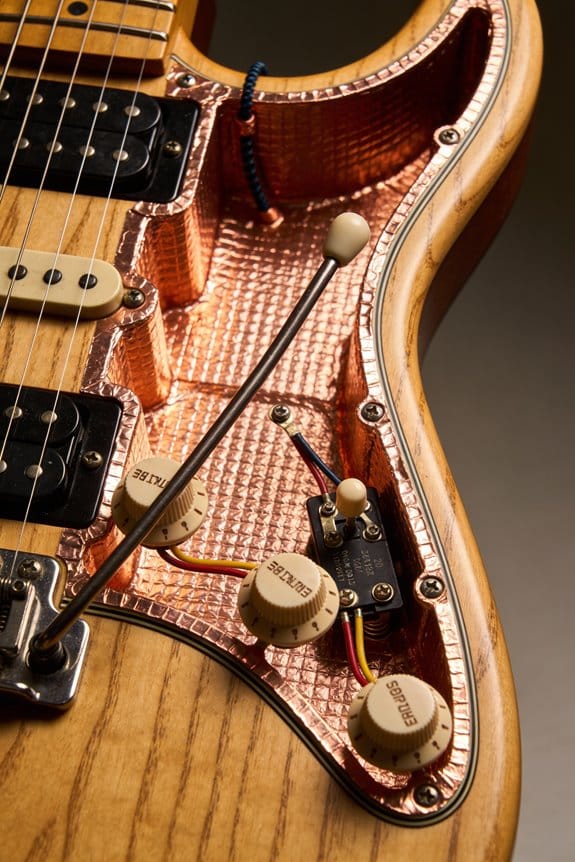
Moreover, upgrading to a high-quality guitar wiring harness during a professional setup can significantly improve your instrument’s sound clarity and reduce unwanted noise.
How Often to Schedule a Guitar Setup?
Hey there! You might be wondering how often to schedule a guitar setup for your beloved instrument. Well, keeping your guitar in great shape really does depend on regular maintenance. Most players find that a professional setup every six months to a year works wonders, especially if you’re playing often—like several times a week.
If you’ve just bought a new guitar, it’s a good idea to have a setup done shortly after making the purchase. This helps to fix any initial tweaks that might be off. Plus, don’t forget about those seasonal changes! As the weather shifts, the wood in your guitar can expand or contract, so planning a setup when the seasons change—like before winter hits—can help keep everything stable.
Another thing to consider is string gauge. If you’re experimenting with different string thicknesses, your guitar might need adjustments to feel just right. Regular setups can save you from serious issues, like intonation problems that make your guitar sound out of tune. If you stay on top of maintenance, you’ll be ready to rock out with a perfectly tuned instrument every time. So, let’s talk about some signs that might indicate it’s time for a setup!
Maintaining string tension properly during setups is essential for preventing finger fatigue and ensuring consistent sound quality.
Frequently Asked Questions
What Does It Mean to Get a Guitar Professionally Set Up?
Getting a guitar professionally set up means adjusting guitar intonation, measuring neck relief, optimizing string action, setting pickup height, and performing tasks like bridge saddle filing and nut slot filing for ideal playability and sound.
What Is the 80 20 Rule for Guitar?
The 80/20 rule for guitar emphasizes prioritizing key aspects like tone improvement, string height, and action level. By focusing on fret leveling, intonation adjustment, and truss rod tweaks, we enhance playability and maximize our practice effectiveness.
How to Know if a Guitar Needs a Setup?
When our guitar’s melody falters, we listen closely. Fret buzz and intonation issues dance amidst string action and neck relief. If tuning stability’s lost, it’s time we seek that professional touch to revive our tone quality.
Is a Professional Guitar Setup Worth It?
Absolutely, a professional guitar setup’s worth it! The benefits include improved tuning accuracy, string action, and sound quality. Regular maintenance helps avoid fret wear and intonation issues, enhancing our overall player experience and justifying the cost.